
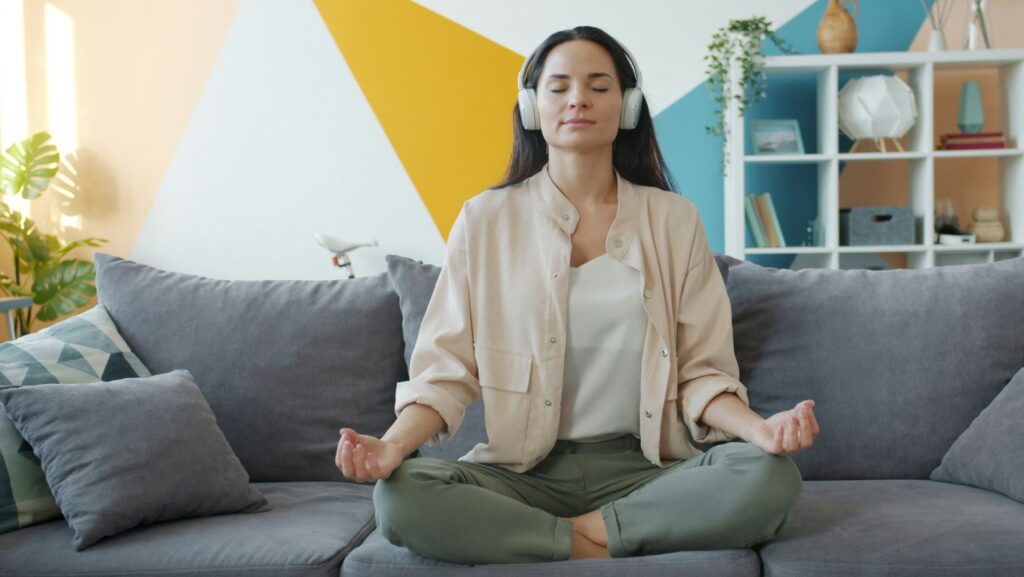
Your home is more than a structure—it’s the background of your emotions, habits, and daily rhythm. When the space around you feels chaotic, stagnant, or uninspired, your inner world often mirrors it. This is why updating your living space can reset your inner balance, giving you a sense of renewal that feels like a deep, cleansing breath. Even within a creative lifestyle, where change and expression are constant, refreshing your environment can serve as a powerful emotional reset button. The home becomes the first place where clarity, peace, and groundedness start.
The Psychology of Updating Your Living Space Can Reset Your Inner Balance
Environments influence behavior, energy, motivation, and emotional stability more than most people realize. Our brains instinctively respond to visual order, symmetry, and light. A cluttered room increases cognitive load; a dark room lowers mood; a disorganized layout creates subtle stress every time you move through it. Changing your environment interrupts habitual patterns and creates new mental openings. This is why reorganizing a bookshelf, repainting a wall, or introducing natural elements like wood, plants, or sunlight often sparks surprising emotional relief.
Small home adjustments activate the same psychological mechanisms behind vacations, retreats, or new routines—it’s a sense of turning a page. The space changes, so you change with it.

Decluttering and Redesign: The First Step to Inner Reset
Decluttering isn’t just about cleaning; it’s about making space for better emotional flow. When your home carries outdated items, visual noise, or old energy, your mind quietly absorbs all of it. Decluttering removes stagnant emotions. Redesigning afterward replaces them with intentional, uplifting signals. This is one of the simplest ways updating your living space can reset your inner balance, because you are editing your surroundings to better reflect who you are now—not who you were five years ago.
Redesign doesn’t have to mean expensive renovations. It can be as simple as:
- rearranging furniture to improve light flow and movement
- refreshing textiles (blankets, rugs, pillow covers)
- swapping outdated décor with meaningful, calming pieces
- introducing natural textures and soft lighting
- creating one peaceful corner dedicated to your emotional reset
These small actions create a sense of control, clarity, and “mental breathing room,” which the nervous system responds to immediately.
Storage and Transition: Navigating Messy Phases of a Remodel
One of the most stressful parts of transforming a home is the period of disorder: dust, boxes, tools, and disrupted routines. This transitional chaos can easily overflow into emotional overwhelm unless you take steps to maintain a sense of order. For example, a few simple storage solutions during home remodels make a tremendous difference. You don’t need perfect organization—just enough structure to protect your peace.
This stage is also a reminder that even temporary disorder is part of the transformation journey. Accepting this transition helps prevent frustration and burnout. Once the remodeling settles, the fresh, streamlined atmosphere often brings an immediate drop in stress levels and a renewed sense of control.
Functional Design: Creating a Home That Supports Your Life
A beautifully designed home is wonderful, but a functional home is life-changing. Functionality influences everything: how you work, how you rest, how you parent, and how you build new habits. When the home supports your rhythm instead of fighting it, emotional stability becomes easier.
This is where strategic design choices come in—assigned zones for activities, ergonomic workspaces, restful bedrooms, calming lighting, and energy-efficient layouts. A well-designed home helps you improve work-life balance because it encourages boundaries. Work stays in one area, rest in another. You no longer subconsciously multitask simply because your environment is blurring lines. Physical structure of your home supports the life you want, not the life you’re trying to escape from. Design becomes a tool for emotional and practical alignment.

Emotional Reset Through Sensory and Comfort Elements
After addressing function, it’s time to explore comfort—the emotional side of home design. Sensory inputs have direct pathways into the brain’s emotional center. The warmth of a knitted throw, the glow of a lamp, the scent of lavender or cedar, the softness of natural fibers, or the presence of plants all influence how grounded you feel at home.
Think of this as emotional architecture: you are building sensations that help your nervous system shift into calm mode. Sensory details act like micro-rituals. They remind you to slow down, breathe, and reconnect to your own body.
Your emotional reset can come from something as simple as:
- lighting a candle in the evening
- adding a warm-toned lamp
- placing a cozy blanket where you unwind
- keeping a favorite plant near your reading spot
- diffusing grounding scents during stressful moments
These subtle layers create an atmosphere that holds you gently, helping your inner world settle even after overwhelming days. By adjusting the environment—whether through decluttering for mental health, redesigning, sensory comfort, or transitional rituals—you open a doorway to emotional reset and new beginnings.
Transitioning Into a New Chapter: Moving, Changing Cities, or Redefining Home
A move is one of the biggest environmental shifts a person can experience. Even when the move is positive, it can disrupt emotional grounding. This is where transitional habits matter deeply. Integrating cozy rituals to help you adjust after a big move can turn unfamiliar surroundings into a safe, nurturing foundation much sooner.
Unpacking slowly but intentionally, decorating key areas first, or establishing nightly comfort rituals, helps you feel at home again. Reminding yourself that the space will evolve with time brings patience and emotional ease. Every move represents a new identity, and the way you design your space can support that evolution.

Aligning Your Inner World with Your Outer Space
Your home is a reflection of your inner world, and updating your living space can reset your inner balance. The process of updating your spaces invites clarity, grounding, and personal renewal. When you treat your home as a living partner in your wellbeing, transformation becomes easier, natural, and deeply rewarding. Updating your space becomes more than a design choice—it becomes a powerful act of self-alignment.