
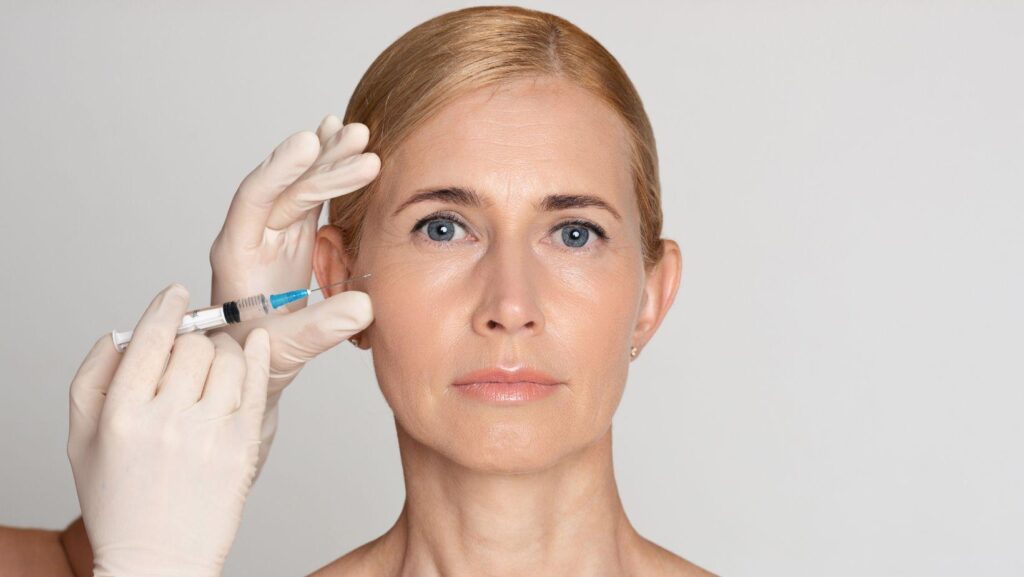
For years, anti-ageing was framed as a battle against visible decline. The language was blunt: erase lines, lift sagging skin, restore what time had taken away. That mindset shaped both patient expectations and treatment plans.
But aesthetic medicine has changed. Quietly at first, then all at once, the conversation moved away from dramatic correction and toward something more sophisticated: skin quality, prevention, and natural-looking results that hold up in daylight, on video calls, and over time.
That shift is exactly why brands like FILLMED have become part of the broader anti-ageing conversation. Not because they promise a miracle, but because they reflect where the industry is headed.
Anti-ageing is no longer just about wrinkles
The most important change in aesthetics over the past decade is this: practitioners are no longer treating ageing as a single problem. Fine lines, loss of elasticity, dehydration, uneven texture, dullness, pigmentation, and thinning skin all show up differently, and they rarely respond well to a one-size-fits-all fix.
A patient may arrive thinking they need filler, for example, when the more pressing issue is poor skin quality. Another may be focused on forehead lines, when dehydration and barrier damage are making the whole face look tired. The best treatment plans now look beneath the obvious complaint and consider what is happening at tissue level.
From correction to skin health
This is where the new era of anti-ageing really begins. Instead of chasing individual lines, clinicians are increasingly focused on improving the environment of the skin itself. That means better hydration, collagen support, smoother texture, stronger barrier function, and a healthier overall appearance.
It also means results are being judged differently. Patients still want visible improvement, of course, but they are often less interested in looking “done” than in looking fresher, brighter, and well-maintained. Natural movement matters. Skin luminosity matters. Recovery time matters too.
The rise of integrated treatment plans
Another notable shift is the blending of in-clinic procedures with ongoing skincare. In the past, many people treated professional procedures and at-home products as separate categories. Today, they work best when they support one another.
That’s one reason interest in systems-based approaches has grown. Aesthetic professionals increasingly look at injectables, peels, skin boosters, and cosmeceutical skincare as parts of the same puzzle rather than competing solutions. In that context, ranges such as Fillmed professional skincare for aesthetic treatments sit naturally within the modern treatment landscape: not as a standalone shortcut, but as part of a more complete plan for maintaining skin quality before, between, and after procedures.
What makes FILLMED relevant in this shift
FILLMED stands out because it aligns with the industry’s newer priorities. Its place in aesthetics is not simply tied to one category, but to the idea that skin ageing should be addressed from multiple angles.
A focus on quality, not just volume
One of the biggest mistakes in outdated anti-ageing strategies was assuming volume loss explained everything. Volume is certainly part of the picture, but it is far from the whole story. Skin can look older even when facial structure is unchanged, simply because texture, hydration, and firmness have declined.
FILLMED’s relevance comes from speaking to those concerns. Whether through professional skincare, peels, or injectable-based protocols used by trained practitioners, the emphasis often lands on revitalisation rather than overcorrection. That matters because patients are becoming far more literate about what good results look like. They want skin that appears healthier, not just tighter.
Designed for combination use
The other reason FILLMED fits the moment is its compatibility with combination treatment planning. A practitioner may use one modality to improve hydration, another to refine surface texture, and a skincare routine to support long-term maintenance. That layered approach is now considered best practice in many clinics, particularly for patients in their thirties, forties, and fifties who want gradual improvement without a dramatic change in appearance.
This matters beyond aesthetics alone. Combination care tends to produce more believable results because it mirrors how ageing actually happens: slowly, across multiple layers of the skin, with environmental and lifestyle factors playing a major role.
What patients expect now
The modern anti-ageing patient is more informed, more cautious, and often more realistic than the stereotype suggests. They are not necessarily looking for transformation. More often, they want treatments that feel intelligent and sustainable.
Typically, they prioritise:
- natural-looking improvement rather than obvious intervention
- minimal downtime and a clear recovery plan
- treatments tailored to skin condition, age, and lifestyle
- products and protocols that support results over time
That change in consumer mindset has pushed the aesthetics industry to mature. Brands and clinics can no longer rely on vague promises. Patients ask better questions now: How does this fit into a longer-term plan? Will it improve skin quality or just mask a symptom? What kind of maintenance will be needed?
The bigger lesson for anti-ageing treatments
FILLMED’s place in the market tells us something larger about where aesthetics is going. The future is less about isolated hero treatments and more about strategy. Prevention starts earlier. Correction is more subtle. Maintenance is ongoing. And the strongest outcomes often come from combining clinical expertise with products designed to support the skin between appointments.
That does not mean every patient needs a complicated programme, or that more treatment is always better. In fact, the opposite is often true. The best anti-ageing plans are usually the ones that are measured, personalised, and grounded in skin biology rather than trends.
So why is FILLMED part of this new era? Because it reflects a broader evolution in how professionals think about ageing. Skin is no longer treated as something to be patched up at the last minute. It is something to be strengthened, supported, and managed over time.
That may be a less dramatic story than the old “turn back the clock” promise. But it is far more credible, and for patients seeking results that look natural and last, it is a much better one.

Jynthorath Vorkal
A passionate voice in personal finance and technological innovation, Jynthorath Vorkal specializes in the intersection of traditional wealth-building and emerging digital economies. Their analytical approach breaks down complex financial concepts into actionable insights, with particular expertise in cryptocurrency markets and automated investing systems.
Writing with clarity and foresight, Jynthorath explores how technological advances reshape wealth creation opportunities. Their articles combine data-driven analysis with practical applications, helping readers navigate the evolving financial landscape.
Beyond writing, Jynthorath maintains a deep interest in algorithmic trading patterns and sustainable investing practices. Their perspective bridges the gap between conventional financial wisdom and next-generation wealth-building strategies.
At WealthVistaOnline.com, Jynthorath focuses on demystifying complex financial technologies and identifying emerging trends that impact personal wealth management.