
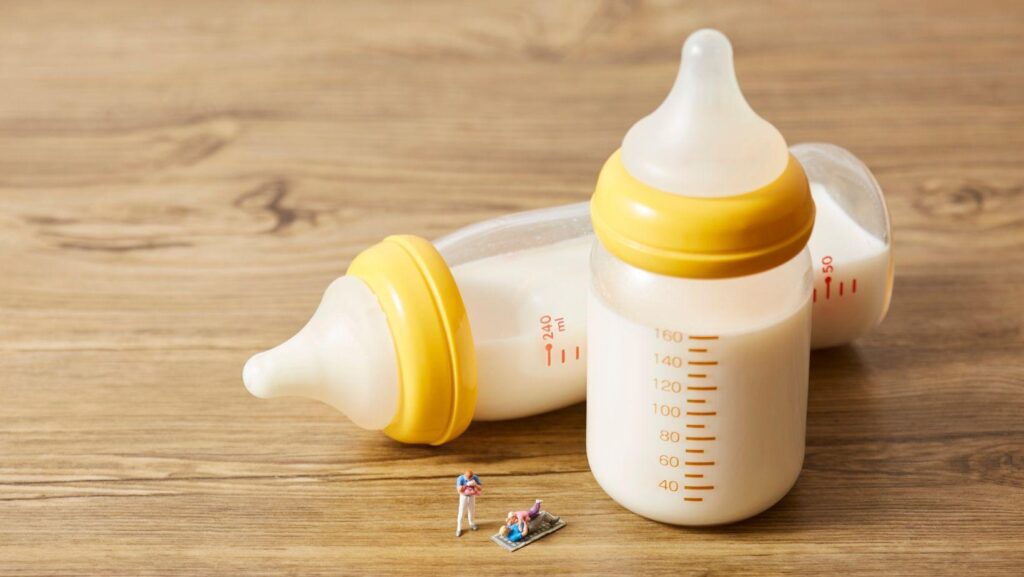
Nobody tells you how much mental energy goes into feeding a newborn before they even arrive. You’re making decisions about bottles, nipples, sterilizers, and storage bags while also trying to figure out a crib, a car seat, and whether you actually need a wipe warmer (you don’t). The feeding setup, though—that one matters. Getting it right before the birth means one less scramble at 3 a.m.
Whether you plan to breastfeed, formula feed, or do a combination of both, having the right tools in place before baby comes home makes a real difference. Here’s what actually belongs in that toolkit.
Start with the Bottles
Bottles are the one item parents tend to overbuy before realizing their baby has opinions. It’s worth starting with a small selection from a brand you trust, then expanding once you know what works. When researching your options, look into the feeding essentials for babies from BIBS—the Danish brand is known for combining thoughtful design with materials that actually hold up to daily use and repeated sterilizing.
A good starting point is four to six bottles. That covers a full day without constant washing, especially during those early weeks when you’re running on fumes. Go for a range of sizes: smaller ones for newborn-stage feeds, larger as appetite grows.
What to Look for in a Baby Bottle
Not all bottles are built the same. A few things worth paying attention to:
- Nipple shape and flow: Newborns need a slow flow to avoid gulping air. BIBS bottles use a round nipple that mimics the breast, which can ease the transition for babies who switch between breastfeeding and bottle feeding.
- Material: Look for BPA-free options. Glass bottles are heavier but durable and don’t hold onto odors. Plastic (when BPA-free and high quality) is lighter and less fragile for travel.
- Anti-colic features: Bottles designed to reduce air intake can make a noticeable difference for gassy babies. Worth investing in from the start rather than troubleshooting later.
Sterilizing and Cleaning Equipment
Before any bottle touches your baby’s mouth, it needs to be sterile—especially in the early months when the immune system is still developing. An electric steam sterilizer is the most convenient option for home use; it handles multiple bottles at once in a few minutes. If you’re short on space or budget, cold water sterilizing tablets work just as well.
A dedicated bottle brush is non-negotiable. Regular dish brushes don’t reach the base of most bottles properly. Pick one with a small teat brush included for cleaning nipples. And a drying rack that holds bottles upside-down keeps everything hygienic between feeds.
Milk Storage and Preparation
If you’re planning to pump at all, even occasionally, breast milk storage bags are a useful thing to have on hand. They stack flat in the freezer and most are pre-sterilized, so no prep needed.
For formula feeding, a formula dispenser with pre-measured compartments saves time during night feeds when counting scoops is genuinely difficult. A bottle warmer is helpful too, though a bowl of hot water does the same job. The key is warming milk gradually and evenly rather than using a microwave, which creates hot spots.
One detail worth knowing before that first late-night feed: never warm a bottle in the microwave. It heats unevenly and can create hot spots that burn a baby’s mouth. The CDC recommends running the bottle under warm water or placing it in a bowl of warm water instead. Their full guidance on infant formula preparation and storage is a useful read before baby arrives.
A Few Things You Can Skip (For Now)
Baby feeding gadgets multiply fast. A few things that tend to collect dust in the early months: specialty formula mixing machines (a whisk and a bowl work fine), bottle insulators for at-home use, and large sets of bottles from a brand your baby hasn’t tried yet.
Build the core setup first. Sterilizer, a small selection of quality bottles like the ones from BIBS, a brush, a drying rack, and a storage solution for expressed milk if relevant. That covers the first weeks without overcrowding your kitchen counter.
Getting Ready Is Worth the Effort
Feeding a newborn is repetitive, exhausting, and also oddly tender. Having the right equipment already washed, sterilized, and within reach means you can focus on your baby instead of hunting for a bottle brush at midnight. That preparation pays off more than almost anything else you can do before the due date.
If you’re still putting together your list, start simple, choose quality over quantity, and give yourself room to adapt once your baby shows you what they actually prefer. Some newborns are easygoing about bottles. Others have very clear opinions. Either way, you’ll be glad you started with a solid foundation.

Jynthorath Vorkal
A passionate voice in personal finance and technological innovation, Jynthorath Vorkal specializes in the intersection of traditional wealth-building and emerging digital economies. Their analytical approach breaks down complex financial concepts into actionable insights, with particular expertise in cryptocurrency markets and automated investing systems.
Writing with clarity and foresight, Jynthorath explores how technological advances reshape wealth creation opportunities. Their articles combine data-driven analysis with practical applications, helping readers navigate the evolving financial landscape.
Beyond writing, Jynthorath maintains a deep interest in algorithmic trading patterns and sustainable investing practices. Their perspective bridges the gap between conventional financial wisdom and next-generation wealth-building strategies.
At WealthVistaOnline.com, Jynthorath focuses on demystifying complex financial technologies and identifying emerging trends that impact personal wealth management.