
Families have always wanted to remember important parts of their lives. Cameras simply gave them another way to do that. Before smartphones, recording usually required a separate device. Parents often filmed birthdays or holidays. They also recorded school events and family trips. Yet many home videos included much simpler ordinary moments. Someone might talk during dinner. Children might play nearby while adults spoke. Relatives could laugh before anyone noticed the camera. Most recordings also had a very small audience. Families usually watched them together at home. They rarely thought about public reactions afterward. That difference becomes clear when we watch those recordings today. In many cases, family videos captured real life because sharing was not the main goal. The recording itself was often enough.
Why do old family videos feel so different today?
Recording habits changed as cameras became part of everyday phones. Today, one device can record a moment and share it immediately. Older family videos usually followed a slower process. Someone picked up a camera and started filming. As a result, the footage often includes details nobody planned to capture:
- A person may look away while speaking.
- A conversation may continue without explanation.
- Someone might walk into the room without noticing the camera.
These moments can make older footage feel more personal. However, people still behaved differently when they noticed a camera. Home videos were never completely unplanned. The main difference was the expected audience. Most recordings stayed within the family. That private setting shaped how people behaved. It also shaped what families considered worth recording. A small moment did not need to impress anyone. It only needed to matter to the people involved.
What can old home videos preserve besides major events?
A meaningful recording does not always show an important event. Sometimes, the small moments become the most valuable. A video can preserve the sound of someone’s voice. It can also capture expressions that still photographs miss. You might notice how a relative smiled before speaking. You may remember a familiar gesture you had almost forgotten. These details often return only when the footage starts playing.
Old recordings can also show how daily life once looked:
- A room may appear exactly as people remember it.
- A street may look different from today.
- Ordinary background details can help place a memory in time.
This becomes more important across generations. Younger relatives may see family members they never met. Others may rediscover parts of their own childhood. Home videos can therefore provide a personal record that becomes more useful over time.
Why are old family tapes becoming harder to watch?
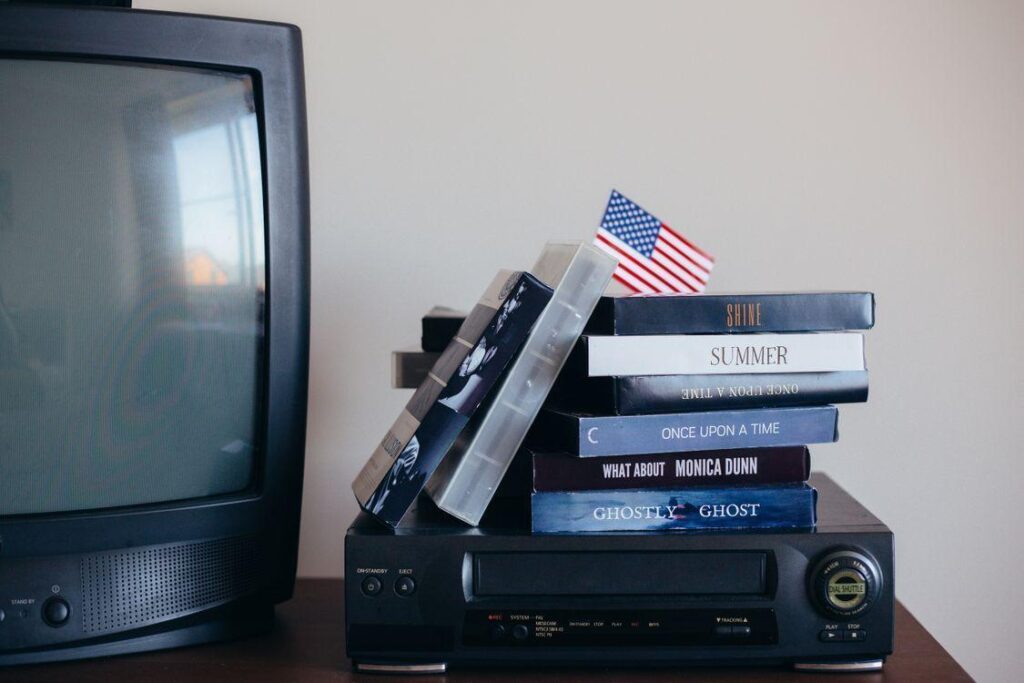
Owning an old recording does not always mean you can watch it. VHS tapes need compatible players. Smaller camcorder tapes may require equipment that families no longer own. In many cases, the original device stopped working years ago. Replacement equipment can also be difficult to find. This makes access harder even when the recording remains intact.
Storage creates another problem. Video materials can suffer when conditions change too much. Several common risks can cause damage over time:
- Heat can affect the material.
- Moisture can create additional damage.
- Direct sunlight can increase unnecessary risk.
- Garages and attics often provide unstable storage conditions.
Families should keep older media in stable indoor spaces when possible. Film reels may need even more care. If the material looks brittle or damaged, repeated playback can make matters worse. Professional help may be safer in those cases.
How does digitizing old videos make family memories easier to keep?
Digitizing old family videos makes them easier to access. The process transfers footage from older media into a digital file. Afterward, families no longer depend entirely on outdated playback equipment. They can watch the recording on newer devices instead. This can make old family memories much easier to revisit. Professional transfer services can also handle older videotape formats. One option is Capture, which converts tapes into digital copies for easier viewing. Its service helps families preserve older recordings without needing working playback equipment at home.
Digital files are also simpler to manage:
- A family member can receive a copy without borrowing the original tape.
- Files can be named in a clear way.
- Clear names make future searching much easier.
- Smaller versions can support everyday viewing.
However, one digital copy is not enough for long-term preservation. Devices can fail, and files can disappear. Important recordings should therefore have reliable backups. It also helps to keep a high-quality master copy. This approach protects quality while keeping the videos convenient to watch.
Should you keep the original tapes after digitizing them?
Digitization does not make the original recording useless. Whenever possible, families should consider keeping the source material. The tape or film may still contain the best available version. It can also serve as a backup if a digital file becomes damaged. Proper storage therefore remains useful after digitization.
The National Archives gives useful context for older magnetic tapes. Under archival conditions, they may last about 10 to 50 years. After that, difficult-to-handle decay can begin. However, actual lifespan depends on storage, handling, and the tape itself.
A few simple steps can help protect the original media:
- Keep it in a stable place.
- Avoid areas with strong heat.
- Avoid spaces with high moisture.
- Add a clear label with basic information.
A simple note can identify the people shown. It can also include the approximate year. That small amount of information may become valuable later. Digital copies need the same level of care. Do not keep everything on one device. Make at least one additional copy somewhere else. This reduces the risk of losing the footage because of one hardware failure.
How should families organize old videos after digitization?
A simple system works best for most families. Start by arranging files by year or decade. If the exact date is unknown, use an approximate period. Then give each file a clear name. The name should help someone understand the video without opening it. A short description is usually enough.
There is no need to organize everything at once. Start with the recordings that matter most. Then work through the rest gradually. Older relatives can also help with missing details:
- They can identify unfamiliar faces.
- They may remember when a recording was made.
- They may know why a particular moment mattered.
- They can help explain family context that younger relatives may not know.
Write that information down while it is still available. Once files are organized, make backup copies. Good organization makes videos easier to find today. It also helps future family members understand what they are watching.

Can recording family life still feel personal today?
Modern technology does not stop families from creating private memories. The important choice is how the recording will be used. A video can simply stay within the family. It does not need to become something created for an outside audience. Parents can record an ordinary afternoon without planning to share it. Children can speak naturally without feeling like they are performing.
That choice can change how a moment feels:
- People may become less concerned about how the recording looks.
- They may pay more attention to what is actually happening.
- Families can decide later whether they want to share anything.
- The camera can remain secondary to the moment itself.
There is no need to make that decision while recording. This approach fits the idea of being present during ordinary family life.
Why are old family videos still worth saving?
Old recordings matter because they preserve details that memory may eventually lose. They show how people sounded and moved. They also capture ordinary moments that photographs cannot fully recreate. Yet older formats can become harder to access over time. Equipment disappears, and physical media needs careful storage. Digitization offers a practical way to make these recordings easier to watch. It can also make them simpler to copy and protect. Still, families should keep useful originals whenever possible. Digital files also need backups and clear labels. There is no need to organize an entire collection at once. Start with one important recording. Identify it, preserve it, and make it easier to watch again. Long before every moment needed an audience, family videos captured real life for the people who were there.

Vrynthorin Zylkal brings a unique blend of storytelling and analytical insight to their coverage of emerging technologies and digital culture. With a passionate focus on the intersection of technology and society, they explore how innovations shape our daily lives. Their writing style combines clear technical explanations with engaging narratives that make complex concepts accessible to all readers.
Known for their deep dives into digital transformation trends, Vrynthorin approaches topics with both curiosity and critical thinking. Away from the keyboard, they enjoy urban photography and collecting vintage computing artifacts – hobbies that inform their perspective on technological evolution.
Their articles reflect a balanced view of technology’s impact, helping readers navigate the rapidly changing digital landscape while maintaining a human-centered approach.