
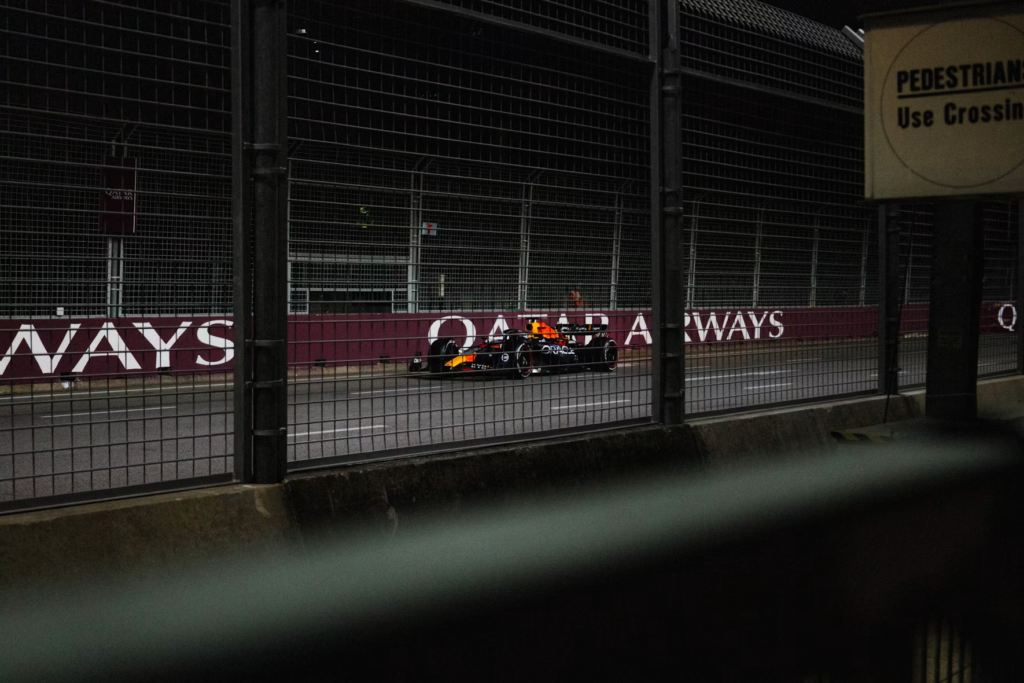
Madrid is preparing to host a new chapter in Formula 1 history. The Spanish capital brings a different atmosphere compared to traditional circuits, combining city energy with a purpose-built racing environment.
The project is not just about adding another race. It reflects how Formula 1 continues to evolve, blending urban access, fan engagement, and modern circuit design into one experience.
Planning a Visit to Madrid’s New Grand Prix
Interest in the event is already building as details about the circuit and schedule become clearer. Fans who follow new calendar additions often want to understand seating, access points, and how the venue is structured before making plans.
Many start by checking Madrid F1 tickets to see available categories, location within the circuit, and how different viewing areas are positioned. That early research helps visitors decide whether they prefer grandstands, hospitality zones, or more flexible fan areas. It also gives a better idea of how large the event footprint will be across the city.
The IFEMA and MADRING Concept
The Madrid race is set to take place around IFEMA, using a hybrid approach that combines permanent sections with temporary layouts. This concept allows organizers to adapt the space for both racing and large-scale public access.
According to the Madrid Grand Prix circuit background, the MADRING project focuses on accessibility and visibility. The layout is expected to bring spectators closer to the action while maintaining safety and race standards.
This approach differs from traditional tracks located far outside city centers. Madrid aims to make the race feel integrated into the urban environment rather than isolated from it.
A New Era for Spanish Motorsport
Spain has long been associated with Formula 1 through Barcelona, but Madrid signals a broader shift. The country is expanding its presence in the sport with a more modern and entertainment-driven approach.
Carlos Sainz remains one of the key figures representing Spain on the grid. His popularity adds local interest and connects fans directly to the race weekend in Madrid.
At the same time, new technical changes continue to shape the sport globally. The beginner’s guide to the 2026 regulations outlines how car design, sustainability goals, and race dynamics are evolving.
What Makes Madrid Different for Fans
Madrid is designed to offer more than just trackside viewing. The event is expected to extend beyond the circuit into surrounding areas, creating a full weekend experience. Key features likely to shape the fan experience include:
- Fan zones with live screens and entertainment areas.
- Easier transport connections within the city.
- A mix of seated and open viewing spaces.
- Events and activities outside race sessions.
These elements reflect how Formula 1 has shifted toward broader audience engagement. The goal is to keep fans involved even when cars are not on track.
The city itself plays a role in this. Restaurants, public spaces, and cultural spots become part of the overall race atmosphere, making the trip more than just a single event.
Accessibility and City Integration
One of the biggest advantages of Madrid is how easy it is to navigate. The IFEMA area is well connected by public transport, including metro and road access from different parts of the city.
This reduces the need for long transfers that are common with remote circuits. Visitors can move between the race venue and central Madrid without losing time, which changes how people plan their weekend.
It also makes shorter visits more realistic. Some fans may choose to attend only one or two days instead of the full race weekend.
Why Spain Is Entering a New Phase
Madrid represents more than a new location on the calendar. It shows how Formula 1 is adapting to modern expectations, where accessibility, entertainment, and urban integration matter as much as the race itself.
Spain is no longer tied to a single venue. With Madrid joining the calendar, the country is stepping into a broader role within the sport.
This shift suggests a future where races are designed not only for competition but also for how fans experience them across an entire city.

Vrynthorin Zylkal brings a unique blend of storytelling and analytical insight to their coverage of emerging technologies and digital culture. With a passionate focus on the intersection of technology and society, they explore how innovations shape our daily lives. Their writing style combines clear technical explanations with engaging narratives that make complex concepts accessible to all readers.
Known for their deep dives into digital transformation trends, Vrynthorin approaches topics with both curiosity and critical thinking. Away from the keyboard, they enjoy urban photography and collecting vintage computing artifacts – hobbies that inform their perspective on technological evolution.
Their articles reflect a balanced view of technology’s impact, helping readers navigate the rapidly changing digital landscape while maintaining a human-centered approach.