
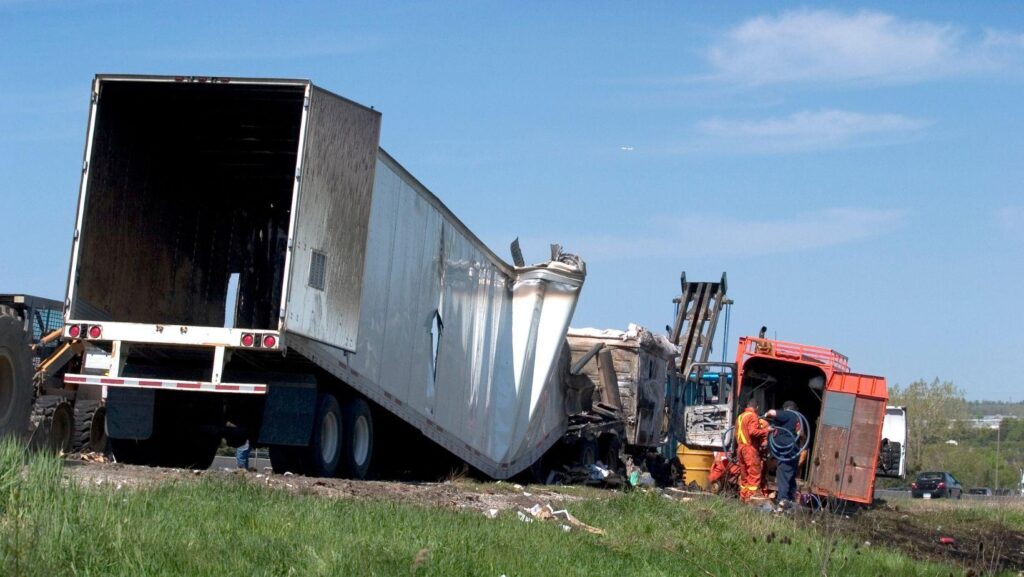
A collision involving an 18-wheeler is not simply a larger car accident. Truck crashes often cause more serious injuries, involve several companies, and require evidence that may disappear quickly.
Texas truck accident claims can involve federal safety regulations, commercial insurance policies, electronic driving records, maintenance files, cargo documents, and corporate safety procedures. A Houston truck wreck lawyer handling these cases must look beyond the driver’s actions immediately before the collision.
The real cause may involve poor hiring, inadequate training, unsafe scheduling, defective equipment, overloaded cargo, or a company’s failure to enforce safety rules.
Texas Truck Accident Cases Are More Complex Than Car Accident Claims
Most car accident claims focus on the conduct of two drivers. A typical investigation may include the police report, photographs, witness statements, medical records, and insurance information.
A Texas truck accident case may involve a driver, motor carrier, truck owner, trailer owner, freight broker, cargo loader, maintenance company, and several insurers. One company may own the tractor, another may own the trailer, and a separate business may have hired the carrier to transport the load.
Each party may control different evidence and raise separate defenses. Identifying every potentially responsible person or company is an important first step.
Several Parties May Be Responsible for a Texas Truck Crash
The truck driver is not always the only party at fault.
Potential defendants may include:
- The commercial driver
- The motor carrier
- The tractor or trailer owner
- A freight broker
- A shipping company
- A cargo-loading contractor
- A maintenance provider
- A tire, brake, or vehicle-parts manufacturer
A driver may cause a rear-end collision after failing to slow down. A deeper investigation may show that the company assigned an unsafe delivery schedule, ignored earlier violations, or continued operating a truck with recurring brake problems.
An experienced truck accident lawyer investigates the full transportation operation, not just the final moments before impact.
Federal Trucking Regulations May Affect the Claim
Commercial drivers and motor carriers are subject to federal safety regulations covering driver qualifications, hours of service, inspections, maintenance, drug testing, vehicle equipment, and recordkeeping.
Not every regulation applies to every vehicle or trip. Some carriers operate across state lines, while others remain within Texas. Certain vehicles and drivers may qualify for exemptions.
A lawyer must identify the rules that apply and determine whether a violation contributed to the crash. Finding a technical violation is not enough. The evidence must connect the safety failure to the collision and resulting injuries.
Driver Fatigue Requires a Detailed Investigation
Truck driver fatigue may result from long shifts, inadequate rest, delivery pressure, or hours-of-service violations.
Most covered commercial drivers use electronic logging devices to record driving and rest periods. Those records should be compared with other evidence, including:
- Dispatch messages
- Fuel receipts
- Toll records
- GPS data
- Delivery records
- Bills of lading
- Cellphone records
- Payroll information
- Vehicle movement data
A log may appear accurate until other records show that the truck was moving while the driver claimed to be resting.
Truck accident experience helps a lawyer locate these records and create a reliable timeline.
Trucking Companies Must Hire and Supervise Qualified Drivers
Motor carriers have a responsibility to determine whether their drivers are qualified to operate commercial vehicles safely.
Driver qualification files may include employment applications, driving records, medical certifications, road-test documents, annual reviews, and prior employment inquiries.
These records may reveal:
- Prior preventable crashes
- License suspensions
- Repeated traffic violations
- Missing background checks
- Inadequate training
- Medical qualification issues
- Earlier safety complaints
- A failure to review the driver’s history
A poor driving record does not automatically prove fault. It may become important when it shows that the company knew about a safety risk and failed to take reasonable action.
Maintenance Records May Reveal Preventable Failures
Commercial trucks travel long distances while carrying heavy loads. Brakes, tires, steering systems, lights, and coupling equipment require regular inspection and maintenance.
Important evidence may include:
- Maintenance histories
- Repair invoices
- Driver inspection reports
- Annual inspection records
- Tire replacement documents
- Brake measurements
- Work orders
- Out-of-service notices
After a crash, the truck may be repaired or returned to service quickly. Damaged components may be removed before the injured person has an opportunity to inspect them.
Early preservation and inspection can be critical when mechanical failure may have contributed to the collision.
Electronic Evidence Can Be Lost Quickly
Modern commercial trucks generate significant electronic data.
Relevant evidence may include:
- Electronic logging device records
- Engine control module data
- Event recorder information
- GPS and telematics records
- Forward-facing camera footage
- Driver-facing video
- Collision-avoidance data
- Dispatch communications
- Speed and braking records
Some systems overwrite information during normal use. Video may also be deleted under a company’s retention policy.
A targeted preservation letter should identify the vehicles, devices, records, and time periods involved. A general request to preserve evidence may not be enough.
Trucking Companies Often Investigate Immediately
A motor carrier or insurer may send investigators, lawyers, safety personnel, and accident reconstruction experts to the scene shortly after a serious crash.
They may photograph the vehicles, interview witnesses, download electronic data, and examine the roadway while the injured person is still receiving medical treatment.
A Texas truck accident lawyer can begin an independent investigation by preserving video, locating witnesses, inspecting the truck, documenting the scene, and requesting company records.
Without early action, the injured person may be forced to rely on evidence selected and preserved by the trucking company.
Commercial Insurance Coverage Can Be Complicated
Truck accident claims may involve several insurance policies, including:
- Primary liability coverage
- Excess or umbrella coverage
- Tractor or trailer owner policies
- Broker-related coverage
- Shipper coverage
- Uninsured or underinsured motorist coverage
Finding one policy does not end the investigation. A lawyer must determine who qualifies as an insured, which vehicle was covered, whether endorsements apply, and how multiple policies work together.
A serious injury claim should not be resolved before all reasonable sources of coverage are identified.
Texas Comparative Responsibility Can Affect Compensation
Trucking companies often argue that the injured driver contributed to the collision.
They may claim the motorist changed lanes too closely, stopped suddenly, entered the truck’s blind spot, drove too fast, or failed to merge safely.
Under Texas proportionate responsibility law, a person generally cannot recover damages if found more than 50 percent responsible. If the person is 50 percent or less responsible, the recovery is reduced by that percentage.
Because shifting part of the blame can reduce what the trucking company pays, fault must be carefully investigated and documented.
Serious Injuries Require Careful Damage Analysis
Truck accidents may cause traumatic brain injuries, spinal damage, fractures, burns, amputations, internal injuries, and permanent disability.
A complete claim may include compensation for:
- Medical expenses
- Future treatment
- Lost wages
- Reduced earning capacity
- Physical pain
- Mental anguish
- Physical impairment
- Disfigurement
- Rehabilitation
- Attendant care
Serious cases may require physicians, economists, vocational experts, and life-care planners.
The goal is to show how the injury affects the person’s work, independence, family relationships, daily activities, and future.
Experience Changes How a Truck Accident Case Is Built
A lawyer with specific trucking experience is more likely to understand:
- Which companies may be responsible
- What records must be preserved
- How federal regulations apply
- How driver logs should be verified
- Which maintenance documents matter
- What electronic systems may contain evidence
- How commercial insurance policies overlap
- Which experts may be needed
These issues should be addressed early, not after evidence has disappeared or an insurer has denied responsibility.
Choosing a Texas Truck Accident Lawyer
A person injured in a commercial truck crash should consider whether the lawyer regularly handles trucking cases, understands federal safety regulations, has access to qualified experts, and is prepared to file a lawsuit when necessary.
Truck accident litigation requires technical knowledge, financial resources, and a willingness to investigate the entire transportation operation.
The strongest evidence is often not visible at the crash scene. It may be found in electronic data, maintenance files, driver records, dispatch communications, and corporate decisions made long before the collision.
That is why Texas truck accident claims demand a lawyer with specific experience.

Vrynthorin Zylkal brings a unique blend of storytelling and analytical insight to their coverage of emerging technologies and digital culture. With a passionate focus on the intersection of technology and society, they explore how innovations shape our daily lives. Their writing style combines clear technical explanations with engaging narratives that make complex concepts accessible to all readers.
Known for their deep dives into digital transformation trends, Vrynthorin approaches topics with both curiosity and critical thinking. Away from the keyboard, they enjoy urban photography and collecting vintage computing artifacts – hobbies that inform their perspective on technological evolution.
Their articles reflect a balanced view of technology’s impact, helping readers navigate the rapidly changing digital landscape while maintaining a human-centered approach.