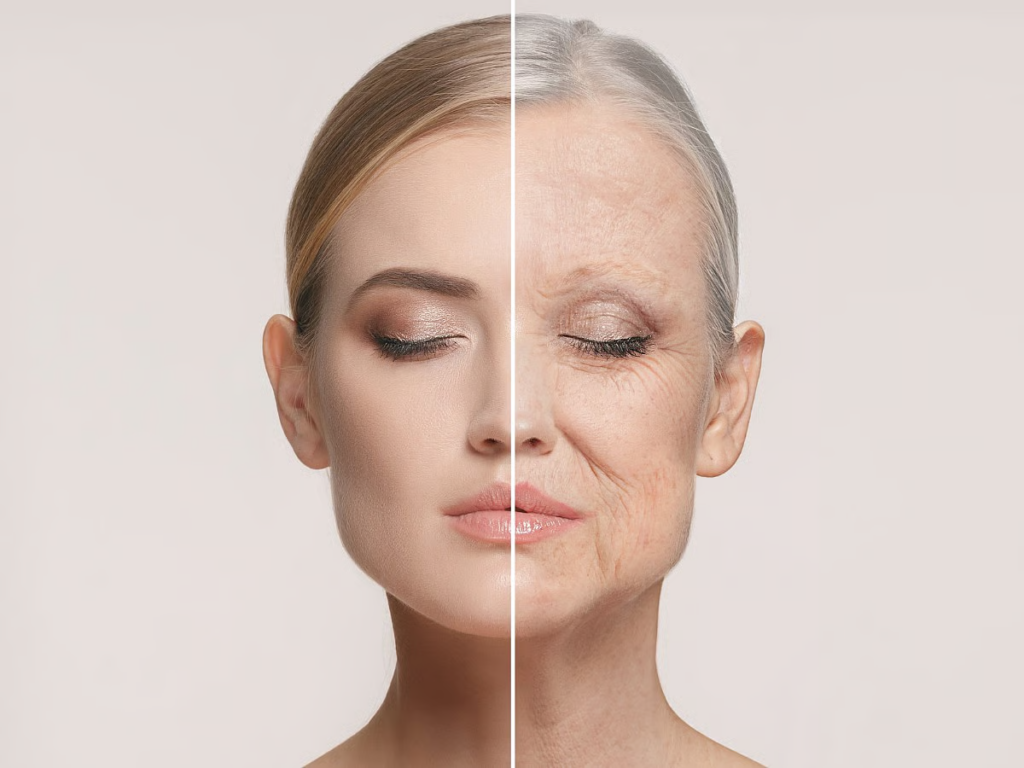
Skin aging happens gradually, with each decade bringing changes in collagen, elasticity, and hydration. Rather than chasing trends, aligning your routine with these changes is essential. Calecim Professional can help you maintain healthy skin as you age. Its growth factor–rich formulas help boost collagen, improve resilience, and enhance skin repair as natural renewal slows over time.
Table of Contents
- How Skin Aging Changes by Decade
- Understanding the Skin Aging Process
- The Science Powering Calecim Skincare
- A Regenerative Approach with Calecim
- Key Benefits of Using Calecim
- When Calecim Is Typically Recommended
- Common Questions About Calecim Skincare
- Conclusion
How Skin Aging Changes by Decade
Skin aging reflects both biological changes and environmental exposure. Each decade introduces new concerns that require a more targeted approach.
In your 30s, early signs begin to appear. Fine lines form around the eyes and mouth, and skin may look less radiant due to slower cell turnover.
By your 40s, structural decline becomes more visible. Loss of collagen and elastin leads to reduced firmness, while uneven pigmentation and dullness become more pronounced.
In your 50s, hormonal changes, particularly declining estrogen, accelerate visible aging. Skin often becomes thinner, drier, and more prone to deeper wrinkles.
These changes are not just surface-level. They reflect deeper shifts in how the skin repairs, regenerates, and maintains itself.
Understanding the Skin Aging Process
Skin aging is driven by intrinsic factors like genetics and hormones, as well as extrinsic factors such as UV exposure and pollution.
Collagen loss plays a central role. Research shows that collagen production declines with age, contributing to wrinkles and reduced firmness over time.
Sun exposure is the leading external cause of premature aging. According to the National Institutes of Health, ultraviolet radiation exposure seems to be responsible for 80% of visible facial aging signs.
Hormonal shifts further influence aging. A review in dermatology highlights that estrogen supports skin thickness, hydration, and elasticity, and its decline during menopause significantly impacts skin quality.
These biological processes explain why skincare needs evolve with age.
The Science Powering Calecim Skincare
Healthy skin relies on a network of structural proteins and signaling molecules that regulate repair and regeneration.
Over time:
- Collagen production decreases
- Elastin fibers weaken
- Cellular turnover slows
- Skin’s ability to repair diminishes
Advanced skincare increasingly focuses on supporting these biological pathways rather than only addressing surface concerns.
Calecim Professional Serum formulation is based on stem cell–derived conditioned media, which contain exosomes, growth factors, cytokines, and proteins that act as signaling molecules. These ingredients help support the skin’s natural repair processes, particularly when skin is stressed or undergoing treatment.
A Regenerative Approach with Calecim
Traditional skincare remains essential. Sunscreen, retinoids, and antioxidants continue to be the foundation of any anti-aging routine. However, regenerative approaches aim to complement these by working at a deeper level.
Stem cell skincare uses bioactive molecules derived from stem cell environments to support skin renewal.
Calecim Professional is often incorporated into advanced routines, particularly after in-clinic procedures. Its proprietary PTT-6® technology delivers a concentrated mix of growth factors and proteins designed to enhance skin recovery and improve overall skin quality.
Research suggests that growth factors can support wound healing and tissue repair, making them especially relevant in post-procedure skincare.
Key Benefits of Using Calecim
Calecim Professional is typically positioned as a supportive treatment rather than a standalone solution. Its benefits align with the needs of aging skin at different stages:
- Enhanced recovery: Supports skin healing after procedures such as microneedling or laser treatments
- Improved texture: Helps refine roughness and uneven skin surface over time
- Hydration and elasticity support: Increase the skin’s production of Hyaluronic Acid, the skin’s natural hydrator, by 83%
- Adjunct for aging concerns: Complements established anti-aging ingredients
Results tend to be gradual and are most noticeable with consistent use.
When Calecim Is Typically Recommended
Skincare strategies should reflect the skin’s condition at each life stage.
In your 30s, regenerative products are often used preventively to support early collagen decline and maintain skin vitality.
In your 40s, they may be introduced to address visible loss of firmness, uneven tone, and slower recovery from environmental stress.
In your 50s, when hormonal changes affect skin thickness and hydration, these formulations can help support compromised repair mechanisms.
They are also frequently used:
- After microneedling or laser treatments
- During periods of hormonal transition
- As part of long-term skin maintenance routines
Common Questions About Calecim Skincare
What is stem cell skincare, and does it work?
Stem cell skincare refers to products formulated with growth factors and proteins derived from stem cell environments. These ingredients are studied for their role in supporting skin repair and regeneration, particularly after procedures.
When should you start adjusting your skincare routine for aging?
Dermatology guidance suggests beginning preventive care in the late 20s to early 30s, focusing on sun protection and collagen support.
Is microneedling necessary for better results?
Not essential, but it can enhance absorption. Microneedling increases skin permeability, allowing active ingredients to penetrate more effectively.
How does skin aging in your 50s differ from your 40s?
The key difference is hormonal. Reduced estrogen levels lead to increased dryness, thinning, and more pronounced wrinkles.
Can skincare reverse aging?
Skincare can improve the appearance of aging but cannot fully reverse structural changes. The most effective approach combines prevention, maintenance, and targeted treatments.
Conclusion
Skin aging is a dynamic process that unfolds differently in your 30s, 40s, and 50s. What works in one decade may no longer be sufficient in the next because the biology of the skin is constantly changing.
A balanced approach that includes sun protection, clinically supported ingredients, and regenerative technologies offers the best long-term results. Calecim Professional promotes the skin’s natural healing processes, which align with the changing environment, rather than simply masking aging concerns.
Healthy skin is not about reversing time. It is about adapting to change with strategies that respect how skin truly ages.