
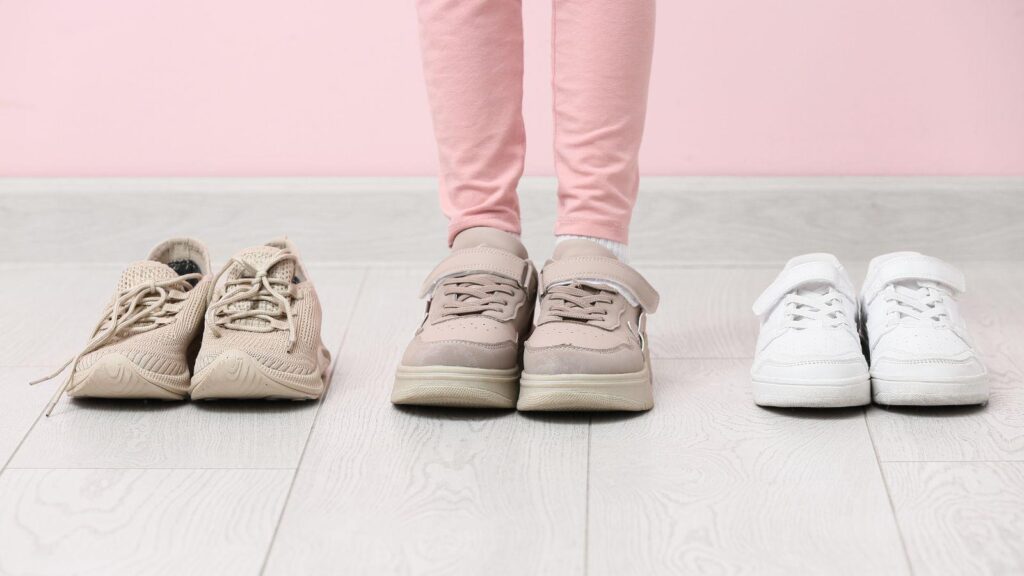
Kids put shoes through tiny obstacle courses every single day. A school hallway, a playground, a backyard, and a weekend park trip all ask for support, cushion, grip, and easy movement. The right pair feels good from the first wear and helps a child move, jump, chase, and climb with less fuss and more joy.
Parents also need shoes made for real life, playground dust, snack crumbs, and busy school mornings. A pair like kids air max 95 may catch attention for its sporty shape, yet comfort still comes from fit, padding, flex, and steady traction. The best choice blends fun style with practical details that suit active feet from drop-off to dinner time, even when the day includes class, games, errands, and one last dash across the yard.
Start With The Right Fit
A good fit leaves a thumb-width space at the toe, so toes can spread during quick stops and sprints. The heel should sit snugly, and the midfoot should feel secure without pressure. A child should be able to wiggle toes, walk across the room, and turn corners with ease.
Shoe size can shift fast during growth spurts, so a quick check every few months helps. Feet also swell a little after busy play, so an afternoon try-on gives a more realistic feel. Socks matter as well, since thick athletic socks change the way the shoe wraps the foot and hugs the ankle.
Check Cushion Where Kids Need It
Active children land on hard floors, pavement, turf, and packed dirt many times a day. Soft cushioning under the heel and forefoot helps absorb impact and keeps play feeling smooth. The padding should feel springy and controlled, because kids need steady support when they change direction.
A cushioned sneaker should return energy in a simple, natural way. Press the midsole with a thumb and look for a firm bounce with a soft landing feel. Air-style cushioning, foam midsoles, and padded insoles can all work well when the shoe still feels stable under lively feet.
Look For Flexible Yet Supportive Soles
A child’s sneaker should bend at the ball of the foot, since that is where the foot naturally moves. The sole should resist heavy twist, because a firm structure helps playing feel steady. A balanced sole gives freedom in front and support through the arch and heel.
Parents can test this in the store with a simple hand check. Hold the heel, press the toe upward, and see if the front bends while the middle keeps its shape. That small test says a lot about how the shoe will feel during recess, sports practice, or a family walk on uneven paths.
Choose Breathable Materials
Kids’ feet heat up fast, especially during games and warm school days. Mesh panels, soft textile uppers, and light linings help air move around the foot. Better airflow keeps the feet healthy and makes all-day wear more pleasant.
Material should also feel smooth inside the collar and tongue. Rough seams can rub the ankle, and stiff overlays can press on the top of the foot. A breathable sneaker with soft edges gives comfort without extra bulk, which helps little feet feel relaxed after hours of play.
Pay Attention To Grip
Good traction helps kids move across playground surfaces, gym floors, sidewalks, and grass. The outsole should have clear grooves, rubber texture, and enough depth to hold the ground. A grippy pattern gives fast turns a steady, sure-footed feel, especially when a child darts from one surface to another.
The tread should match the child’s usual routine. A kid who loves outdoor play needs sturdy rubber and deeper grooves for dirt, mulch, and wet pavement. For mixed use, a flexible rubber outsole with multi-directional patterns gives solid everyday control in school, at parks, and around home.
Make Closure Easy For Daily Use
A great sneaker should make mornings smoother for the whole household. Hook-and-loop straps, elastic laces, or simple lace systems help kids get shoes on without a long battle. The goal is a secure feel that a child can manage before school, practice, or a playdate.
Older children may prefer classic laces because they allow a more exact fit. Younger kids may do better with straps until tying feels easy and consistent. A secure closure keeps the heel in place and helps the shoe move with the foot through sudden starts and quick stops.
Match The Shoe To The Activity
Everyday sneakers need comfort across many settings, from classrooms to climbing frames. Sport-specific shoes, though, can matter for repeated court play, trail walks, or running clubs. The right match keeps the foot supported in the movements that fill the child’s week.
A general active sneaker should handle walking, light sports, recess, and weekend errands. For frequent sports, look for features tied to that activity, such as court grip, trail tread, or extra side support. This approach keeps the choice practical, simple, and connected to the places where the child actually spends time.
Let Kids Have A Say
Children wear shoes more happily when the pair feels like their own choice. Color, shape, and small design details can make them excited to put on sneakers each day. Comfort should lead the decision, but style can seal the deal and make the shoe feel personal.
Parents can set two or three comfort-approved options and let the child pick a favorite. This keeps the process simple and gives the child a real voice. A shoe that fits well and feels cool has a much better chance of leaving the closet each morning, which matters on rushed school days and weekend plans.
Final Thoughts: Comfortable sneakers for active kids come from fit, cushion, grip, breathability, and easy closure working together. A style like kids air max 95 can be part of the search when the fit and support suit the child’s daily routine. Parents should check toe room, heel hold, sole flex, and tread before judging color or shape, since those details shape the way a child moves. The best pair lets a child run, jump, and play with a light, easy feel from the classroom door to the playground gate.

Jynthorath Vorkal
A passionate voice in personal finance and technological innovation, Jynthorath Vorkal specializes in the intersection of traditional wealth-building and emerging digital economies. Their analytical approach breaks down complex financial concepts into actionable insights, with particular expertise in cryptocurrency markets and automated investing systems.
Writing with clarity and foresight, Jynthorath explores how technological advances reshape wealth creation opportunities. Their articles combine data-driven analysis with practical applications, helping readers navigate the evolving financial landscape.
Beyond writing, Jynthorath maintains a deep interest in algorithmic trading patterns and sustainable investing practices. Their perspective bridges the gap between conventional financial wisdom and next-generation wealth-building strategies.
At WealthVistaOnline.com, Jynthorath focuses on demystifying complex financial technologies and identifying emerging trends that impact personal wealth management.