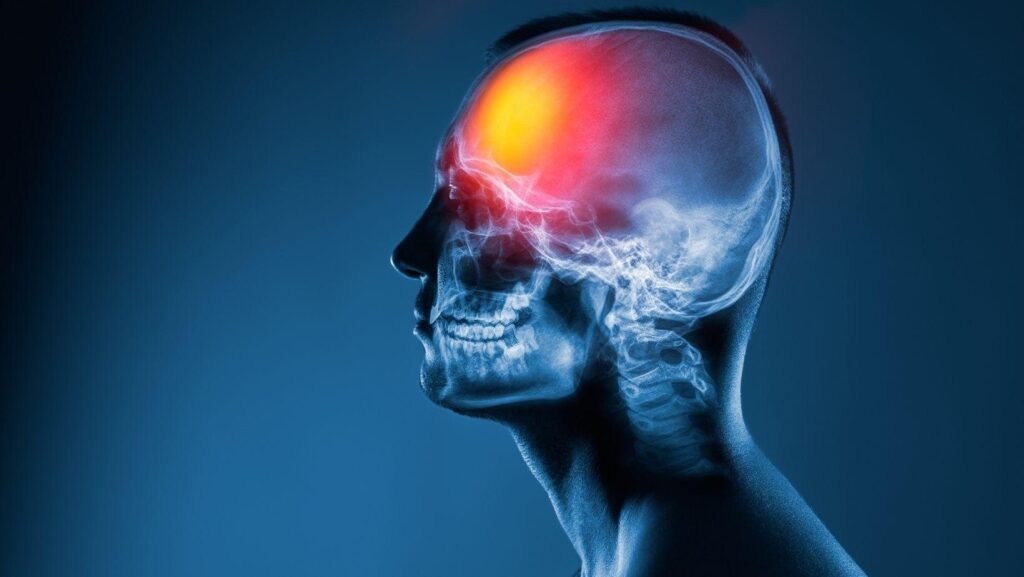
A brain injury can change life in ways people do not always see right away. Some injuries happen after a car crash, fall, sports accident, workplace incident, or sudden blow to the head. At first, the person may seem “okay” on the outside, but inside, they may be struggling with memory problems, headaches, mood changes, confusion, or extreme tiredness. These changes can affect work, family life, relationships, and even simple daily routines.
What makes brain injuries difficult is that recovery is not always straight or predictable. One person may improve quickly, while another may deal with symptoms for months or years. Families may also feel confused because the injured person may look normal but act differently, forget things, or become easily upset. Understanding how brain injuries affect memory, mood, and daily life can help loved ones respond with more patience, support, and care.
Why Brain Injuries Can Be Hard to Notice
A brain injury is not always easy to see. Unlike a broken arm or a visible wound, the damage may be hidden inside the head. A person may walk, talk, and look the same, but still have trouble thinking clearly or managing emotions. This can make others assume the injury is not serious, even when the person is struggling every day.
Some symptoms may also appear hours or days after the accident. A person may first notice headaches, dizziness, trouble sleeping, or sensitivity to light and noise. Later, they may realize they are forgetting appointments, losing focus, or feeling more emotional than usual. That is why it is important to take head injuries seriously and seek medical attention when symptoms appear.
Memory Problems After a Brain Injury
Memory changes are one of the most common problems after a brain injury. A person may forget conversations, misplace items, repeat questions, or struggle to remember plans. They may also have trouble learning new information, even if they had a sharp memory before the accident. These changes can feel frustrating and embarrassing, especially when the person wants to return to normal.
Memory problems can also affect independence. Someone may forget to take medicine, miss appointments, leave the stove on, or lose track of bills and important papers. Families can help by using calendars, phone reminders, written notes, and simple routines. Small support systems can make daily life safer and less stressful while the brain continues to heal.
When Mood Changes Become Part of Recovery
A brain injury can affect mood because the brain helps control emotions, reactions, and stress. After an injury, a person may become more irritable, anxious, sad, impatient, or easily overwhelmed. They may cry more often, get angry quickly, or pull away from family and friends. These changes are not always a choice, and they can be part of how the brain responds after trauma.
Mood changes can also create problems at home, at work, and in relationships. Loved ones may feel hurt or confused when the injured person acts differently than before. If the injury happened because of someone else’s negligence, speaking with a St. Louis brain injury lawyer may help families understand their legal options while they focus on medical care and recovery. Legal guidance can be especially helpful when the injury affects income, long-term treatment, or daily support needs.
How Brain Injuries Affect Focus and Thinking
Brain injuries can make it harder to concentrate, solve problems, or make decisions. A person may start a task and forget what they were doing halfway through. They may struggle to follow conversations, read for long periods, or handle several things at once. Even simple decisions can feel tiring when the brain is working harder than usual.
This can affect work, school, driving, and home responsibilities. Someone who once handled a busy schedule may now feel drained after a few basic tasks. It helps to break activities into smaller steps, limit distractions, and allow extra time for thinking. Patience is important because mental fatigue can be just as real as physical pain.
Daily Routines Can Become More Difficult
After a brain injury, everyday routines may take more effort. Getting dressed, preparing meals, driving, cleaning, shopping, or managing money may feel harder than before. The person may need more rest or may become overwhelmed in noisy or crowded places. These changes can be upsetting because they affect independence and confidence.
Families can support recovery by creating a calm and predictable home environment. A simple daily schedule can help reduce confusion and stress. It may also help to keep important items, such as keys, medicine, and documents, in the same place every day. These small changes may not solve everything, but they can make daily life more manageable.
The Emotional Impact on Families
Brain injuries do not only affect the injured person. They also affect spouses, parents, children, and close friends who may suddenly become caregivers. Family members may feel worried, tired, confused, or unsure how to help. They may also grieve the changes they see in someone they love, especially when personality or behavior feels different.
Open communication can make a big difference. Families should try to talk calmly about symptoms, needs, and limits. It is also important for caregivers to take care of themselves because stress can build up over time. Support groups, counseling, and medical guidance can help families feel less alone during recovery.
Why Medical Care and Documentation Matter
Medical care is important after a brain injury because symptoms can change over time. Doctors may recommend imaging, therapy, medication, rest, or follow-up appointments depending on the situation. Some people may need help from neurologists, physical therapists, occupational therapists, or mental health professionals. Getting proper care can help track progress and identify problems early.
Documentation is also important for practical and legal reasons. Medical records, therapy notes, symptom journals, accident reports, and work records can help show how the injury affected daily life. If the injury leads to a claim, these details may help explain the full impact of the harm. Keeping organized records can also help families remember what happened during a stressful time.
Recognizing the Real Impact of a Brain Injury
Brain injuries can change more than memory or concentration. They can affect how a person reacts, communicates, works, sleeps, and handles normal responsibilities. These changes may be hard for others to understand because the injury is often not visible from the outside. That is why families should pay attention to patterns, not just one bad day or one forgotten detail.
If symptoms continue after an accident, it is important to keep medical appointments and track how the injury affects daily life. Notes about mood changes, missed work, memory issues, sleep problems, and daily struggles can help doctors understand what is happening. They can also help show the full impact of the injury if legal action becomes necessary. Brain injury recovery takes patience, but the right support can make the process less confusing and more manageable.

Jynthorath Vorkal
A passionate voice in personal finance and technological innovation, Jynthorath Vorkal specializes in the intersection of traditional wealth-building and emerging digital economies. Their analytical approach breaks down complex financial concepts into actionable insights, with particular expertise in cryptocurrency markets and automated investing systems.
Writing with clarity and foresight, Jynthorath explores how technological advances reshape wealth creation opportunities. Their articles combine data-driven analysis with practical applications, helping readers navigate the evolving financial landscape.
Beyond writing, Jynthorath maintains a deep interest in algorithmic trading patterns and sustainable investing practices. Their perspective bridges the gap between conventional financial wisdom and next-generation wealth-building strategies.
At WealthVistaOnline.com, Jynthorath focuses on demystifying complex financial technologies and identifying emerging trends that impact personal wealth management.