
You don’t need a demolition crew or a design degree to transform your space. Often, the most noticeable upgrades come from thoughtful tweaks rather than full-scale renovations. If you’ve ever watched a glossy home tour and wondered how those rooms feel so polished, the secret usually lies in subtle, strategic updates.
The challenge most homeowners face isn’t a lack of ideas; it’s being overwhelmed. You scroll through inspiration photos, save dozens of looks, and still feel stuck. The good news? You can elevate your home decor with small, focused changes that work together instead of competing for attention.
Let’s break it down.
1. Refresh Your Walls with Purposeful Art
Bare walls can make even a beautifully furnished living room feel unfinished. At the same time, randomly hung frames can create visual clutter. The trick is to choose wall art that tells a story and supports your overall decor style.
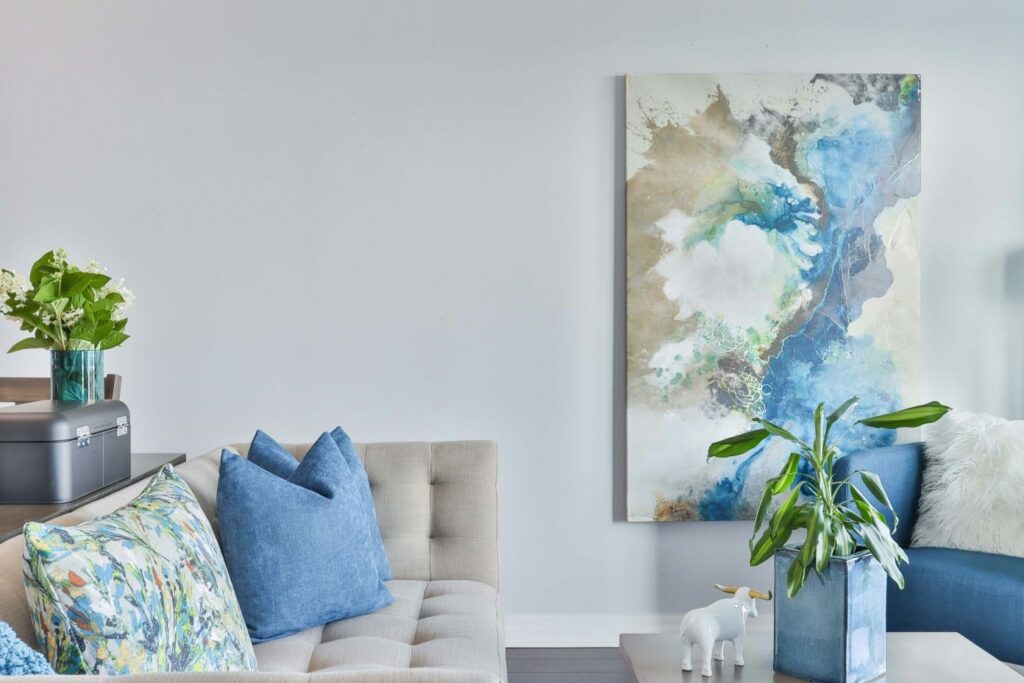
If your space feels flat or disconnected, consider canvas prints as a simple solution. They add texture and dimension without the heaviness of bulky frames. A large piece above the sofa can establish a strong focal point, while a series of smaller works can form one of those curated gallery walls you’ve admired online.
Always remember that the right wall treatment grounds the room. It pulls furniture, textiles, and color choices into a cohesive whole.
When selecting artwork, think beyond trends. A serene landscape suits a neutral palette, while bold abstracts can energize minimalist style interiors. And if you’re unsure about scale or resolution, consult print specialists who can guide you on sizing and material choices so your artwork looks intentional rather than improvised.
2. Swap Out Pillow Covers for Instant Texture
Few updates are as quick or affordable as changing pillow covers. You don’t have to replace the inserts, just refresh the exterior for an immediate shift in mood.
In the living room, layering decorative pillows in varied fabrics adds depth. Mix accent pillows in complementary tones rather than exact matches. For instance, if you lean toward a neutral palette, try adding one pattern with subtle contrast to avoid a flat look.
This small shift also makes decorating seasonally easier. Rotate in lightweight fabrics for summer home decor and richer textures for cooler months. Store off-season covers in labeled bins for simple seasonal storage, and you’ll never feel buried in clutter.
3. Reimagine Lighting for Warmth and Drama
Lighting fixtures are often overlooked, yet they shape how every other design choice is perceived. Harsh overhead lighting can wash out even the most carefully selected furniture.
Start by layering your light sources. Add table lamps, floor lamps, and a few well-placed scented candles for softness. Even swapping outdated fixtures for something streamlined can modernize a room without touching the walls or floors.
In dining areas, try elegant candlesticks to introduce height and intimacy. In darker corners, a strategically placed lamp can draw attention to a neglected nook. Good lighting flatters your home the way good tailoring flatters an outfit. It refines everything around it.
4. Anchor Your Space with Area Rugs
If a room feels disconnected, it may lack a visual anchor. Area rugs define zones, especially in open-concept homes.
Choose a rug large enough for at least the front legs of your furniture to rest on it. In a living room, this creates unity and prevents the “floating furniture” effect. Patterns can introduce personality, while solid tones keep things grounded.
You don’t have to spend a fortune. A well-chosen piece from a thrift store can look high-end when styled thoughtfully. Focus on quality materials and timeless patterns. A rug doesn’t just soften floors; it frames your entire interior design scheme.
5. Add a Full-Length Mirror for Space and Light
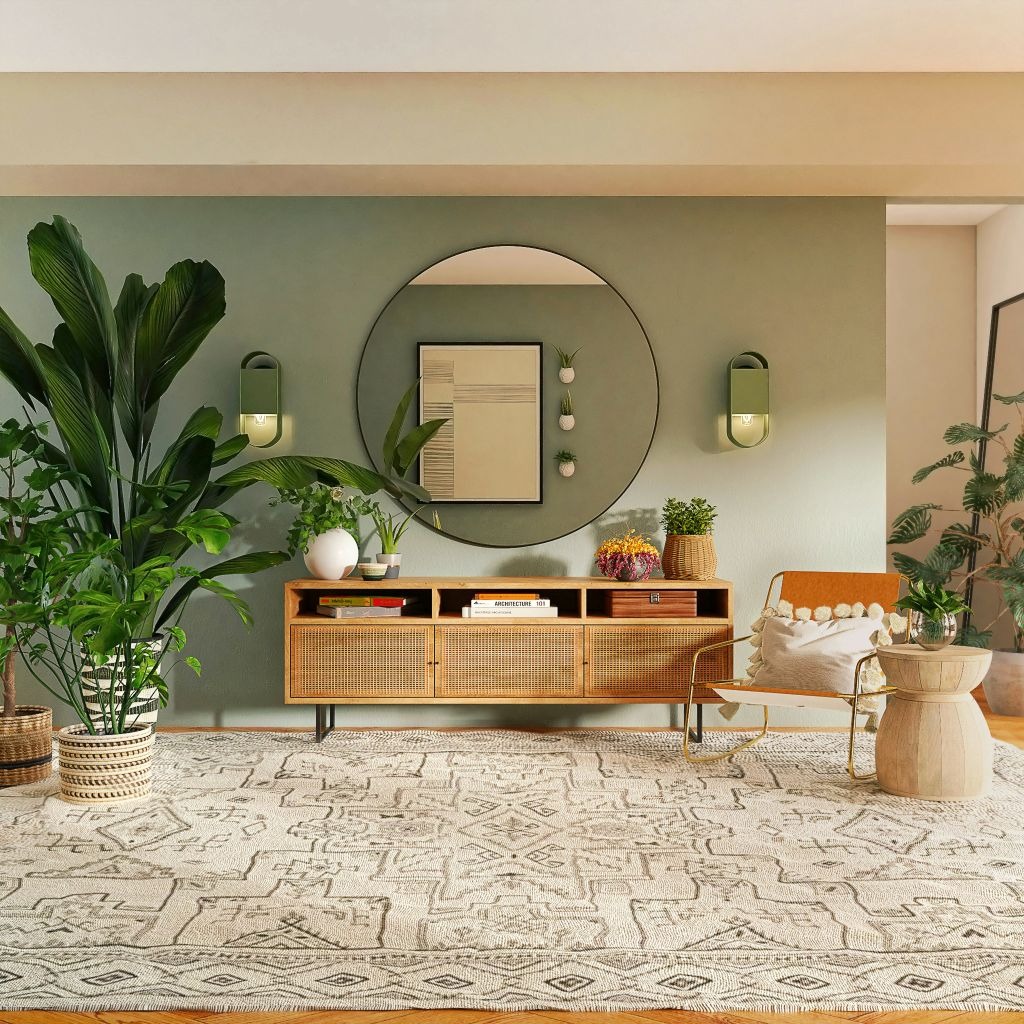
Sometimes the biggest impact comes from reflection. A full-length mirror expands sightlines and bounces natural light around the room.
Place one opposite a window to amplify brightness. In small bedrooms or narrow hallways, mirrors reduce that boxed-in feeling. They also double as functional décor, blending practicality with style.
For families, remember safety considerations. Secure mirrors properly to keep your nursery room safe, especially if little ones are beginning to explore on their own. Beauty should never come at the expense of peace of mind.
Mirrors are subtle, yet transformative. They reshape how you experience a room.
6. Introduce Seasonal Touches Without Overhauling Everything
You don’t need to redecorate from scratch every few months. Instead, focus on seasonal touches that shift the atmosphere.
In autumn, try monochromatic pumpkins arranged on a console table. In winter, a faux evergreen garland adds charm without shedding needles. Spring invites vibrant florals in simple vases, while bowls of seasonal fruit brighten summer kitchens.
Decorating seasonally keeps your home feeling fresh and responsive to the world outside. During holiday decorating, swap out select accessories rather than your entire setup. A few well-placed updates create impact without chaos. Seasonal themes work best when they complement your base style instead of overwhelming it.
7. Style Everyday Kitchen Items as Décor
Your kitchen items don’t have to hide in cabinets. Wooden cutting boards, ceramic pitchers, and glass jars can double as decorative elements.
Arrange dried branches in a tall vase for an organic touch. Display neatly stacked bowls on open shelving. When practical objects look intentional, the entire space feels curated.
These adjustments are especially helpful if you’re planning lifestyle-driven renovations down the road. Small styling changes let you test new aesthetics before committing to structural upgrades. You might discover that a few styling tweaks achieve the look you wanted without major construction.
8. Elevate Entryways and First Impressions
Your front door sets the tone before guests even step inside. A fresh coat of paint or a simple wreath signals care and personality.
Inside, define a welcoming entry with a slim console table, a mirror, and subtle wall art. This doesn’t have to be elaborate. Even rotating seasonal changes at the entry, like a bowl of citrus in summer or textured accents in winter, keeps things dynamic.
When guests arrive, they absorb these cues instantly. A thoughtful entry makes the entire home feel cohesive.
A Final Word
You don’t need sweeping renovations to create a home that feels refined. Small, deliberate updates—thoughtful art, layered lighting, textured textiles—shift the mood in powerful ways.
Start with one room. Choose one change. When you step back and see how a single adjustment transforms the space, you’ll realize something important: great design isn’t about excess. It’s about intention.