
Homeowners often notice a creak in the hallway or a door that suddenly sticks in its frame. These small annoyances are usually treated as signs of an aging house settling into its spot. People rarely look down at the floorboards as the source of a deeper problem.
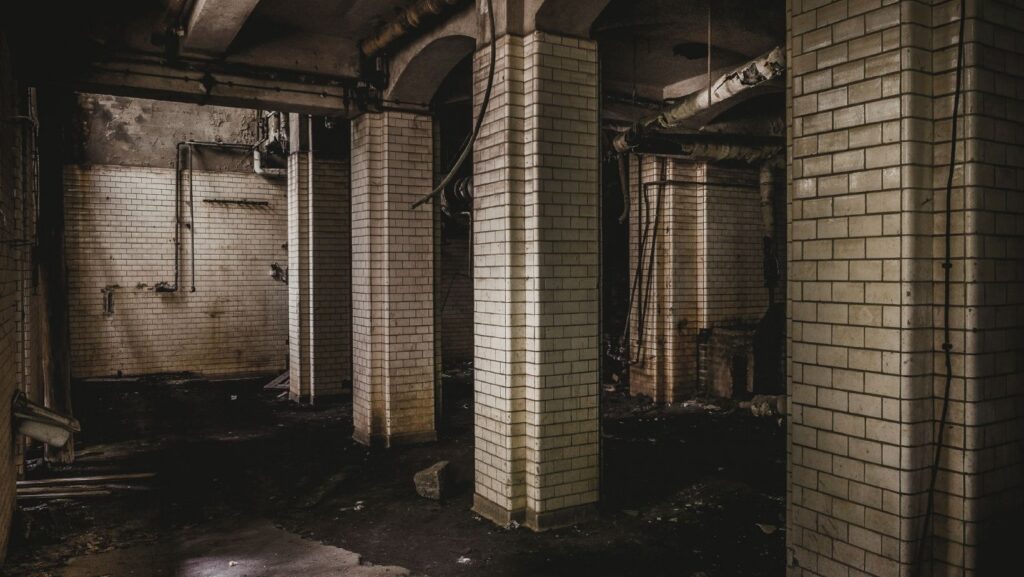
The upper levels of a home depend entirely on the stability of the environment below the main floor. When a basement becomes damp, it begins a slow process of structural decay that remains hidden for years. This struggle eventually reveals itself through physical changes seen upstairs.
Addressing symptoms on the surface will never provide a permanent fix for a home losing its grip. It is vital to look at the health of the lower level to protect the entire building. Realizing how foundation issues can cause sagging floors is key.
Moisture Impacts on Wooden Support Systems
Wood is a resilient material, but it has a vulnerability to prolonged exposure to moisture. When a basement stays damp, the wooden beams and floor joists act like sponges that soak up humidity. This absorption causes the fibers to swell and lose their original structural stiffness and strength.
Over time, the saturated wood begins to soften and can no longer support the weight of the furniture above. This process is often accompanied by fungus that feeds on the damp wood. This decay significantly reduces the load bearing capacity of the primary support system for the entire home.
Homeowners might notice a slight bounce when walking across a room. This physical softening is a result of an unmanaged environment that allows moisture to thrive. Protecting the wood requires a dry atmosphere that prevents any water from taking hold.
Shifting Columns and Unlevel Pier Systems
Support columns are the vertical anchors that keep the main beam of a house perfectly level. These pillars usually rest on concrete pads buried beneath the floor of the basement or crawl space. If the soil under these pads shifts or becomes soft from water, the column will eventually sink.
Even a fractional drop of a single column can cause the floor above to slope. The lack of a level base puts uneven pressure on the subfloor and creates gaps where boards meet the walls. This movement is a sign of unstable ground.
Shifting piers fail to provide the consistent support needed to keep the joists from bending. This lack of stability impacts every room in the building. Stabilizing these columns is essential for maintaining the overall integrity and balance of the entire residential home.
Recognizing Signs of Structural Deflection
Recognizing early signs of floor deflection can prevent expensive structural repairs in the future. Doors that refuse to latch or swing open on their own are often the first clues. These issues happen because the frame of the house is no longer perfectly square and true.
Sloping surfaces in the kitchen are another clear indicator that something is wrong below. If a small ball rolls toward a specific corner, the joists are likely sagging in that area. This deflection is a cry for help from the home structure.
Gaps along baseboards or cracks in the drywall are common warnings that the house is shifting. These physical changes show the floor is pulling away from the vertical supports. Addressing these signs quickly keeps the entire home safe for the family.
High Humidity and Noisy Floor Surfaces
High humidity levels cause the material to expand and contract with the changing weather. During the wet months, the floorboards and joists swell as they take in moisture from the air. This swelling puts extra pressure on the nails and fasteners used in the home construction.
As the wood dries, it shrinks and creates tiny gaps between the different components of the floor. When someone walks across the boards, the wood rubs against the metal nails or other timber. This friction is what creates the annoying creaks and groans heard.
Compromised joists that have begun to sag make this rubbing even more frequent. The lack of a tight fit means the floor is in motion during daily use. Reducing the humidity is the first step toward a quieter and more stable environment.
Stabilizing the basement environment is the only permanent way to fix the floors on the level above. Covering up a creak or trying to level a floor with shims will only work for a short time. The root cause of the movement must be addressed.
A dry lower level provides the foundation needed for a healthy and quiet home. By managing moisture and supporting the beams, homeowners can stop the slow process of structural decay. This proactive care preserves the beauty and the value of the property.
The peace of mind that comes with a level and silent floor is worth the effort. Protecting the home from the ground up ensures that the family remains safe and comfortable for many years. A strong foundation makes for a better living experience.