
Solar energy is no longer a distant idea. Many households now see it as a practical way to lower electric bills and reduce reliance on traditional power sources. It also helps cut a home’s carbon footprint, which matters more as energy use continues to rise. Still, one question often comes up early in the process: should a system be rented or owned? The answer is not always straightforward, especially for first-time buyers. Understanding how each option works can make the decision much easier.
Understanding How Solar Financing Works
Before choosing between renting and owning, it helps to understand how solar financing is structured. A typical solar panel installation can be paid for upfront, financed through a loan, or accessed through leasing or rental agreements. These different installation options affect how much control a homeowner has and how savings appear over time.
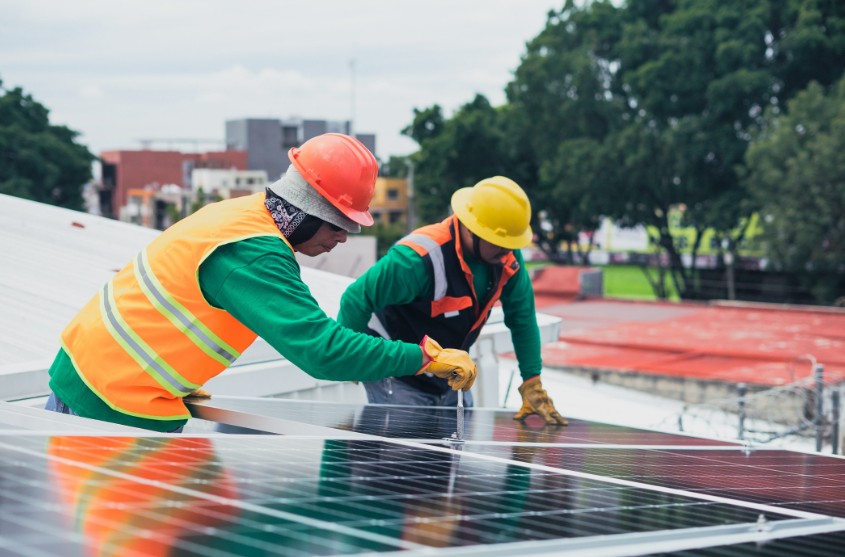
Most systems begin with a site assessment, where professionals check the home’s condition, including roof size, angle, and exposure to the sun’s energy. This step ensures that the system design matches the property’s needs. After that, a building permit is usually required before work begins.
When a system is owned, either through cash or financing, the homeowner takes full responsibility. Renting, on the other hand, involves third-party installation companies that handle the setup and upkeep. For homeowners who are still weighing their choices, this is often the stage where it helps to look closely at real options for solar power for homes and compare how each financing route fits both budget and long-term plans.
What It Means to Own a Solar System
Owning a solar panel system gives a homeowner full control. The system becomes part of the property, much like any other home upgrade. While this often requires a higher upfront cost, it can lead to stronger long-term savings.
Once installed, the system begins to reduce energy bills by generating electricity from the sun’s energy. Over time, these savings grow, especially after any loan is fully paid. At that point, most of the electricity produced is essentially free.
Ownership also opens access to federal tax incentives and other possible rebates. These benefits can reduce the total cost and improve the return on investment. In some cases, excess energy can be sent back to the grid through a net meter, which may earn credits on future bills.
Of course, ownership comes with responsibility. The homeowner handles maintenance, including key parts like the solar inverter, which converts solar power into usable electricity. While systems are built to last, it is still important to plan for occasional upkeep.
What It Means to Rent or Lease a Solar System
Renting, often called leasing, works differently. Instead of paying for the system itself, the homeowner pays a monthly fee to use it. The provider takes care of the installation process, as well as ongoing maintenance.
This option often removes the need for large upfront payments. It also means that if something breaks, the company handles the repair. For many, this makes the transition to sustainable energy feel more manageable.
However, the financial benefits are usually smaller over time. Monthly payments continue for years, which limits the total savings on electric bills. While costs may still drop compared to traditional energy use, the difference is not as strong as with ownership.
Another factor to consider is flexibility. Selling a home with a leased system can be more complex. The agreement may need to be transferred, which not all buyers are willing to accept.
Comparing Costs Over Time
At first glance, renting seems more affordable. There is little upfront cost, and the monthly payment is predictable. For households trying to manage their budget, this can feel like a safer entry point into solar panel installation.
But a closer look shows a different picture. Ownership often leads to greater savings over time. Once the system is paid off, the ongoing cost drops, and the benefits of improved energy efficiency become more noticeable.
For example, a homeowner who finances a system may see higher payments early on. Still, once those payments end, the reduction in energy bills becomes much more significant. A renter, on the other hand, continues to pay a monthly fee, which limits long-term savings.
This comparison shows that short-term ease does not always lead to long-term value.
Maintenance and Responsibility
Maintenance is another area where the difference stands out. With ownership, the homeowner is responsible for keeping the system in good condition. This includes checking components and ensuring the solar inverter works properly.
That said, modern systems are designed for durability. Most require minimal attention beyond occasional cleaning and inspections. The installation process itself is also planned to reduce future issues, especially when handled by experienced installation companies.
With renting, maintenance is included in the agreement. This removes the need to worry about repairs, which can be appealing. If the system underperforms, the provider steps in to address the issue.
For some homeowners, this added convenience is worth accepting lower long-term savings.
Impact on Property Value
Owning a solar system can increase a home’s appeal. Buyers often value lower electric bills and improved energy efficiency, especially when the system is fully paid. It can make a property stand out in a competitive market.
Leased systems do not always offer the same advantage. Some buyers may hesitate because of the ongoing contract. While it is still possible to sell a home with a leased setup, it can take more effort to complete the process.
Conclusion
Choosing between renting and owning a solar system is both a financial and practical decision. Both options reduce reliance on traditional power and help lower energy bills, but they do so in different ways. Ownership offers stronger long-term savings, greater control, and added property value. Renting provides a simpler path with fewer upfront costs and less responsibility. Each option comes with trade-offs that should not be ignored. With careful planning and a clear understanding of needs, solar energy can become a smart and lasting investment.