
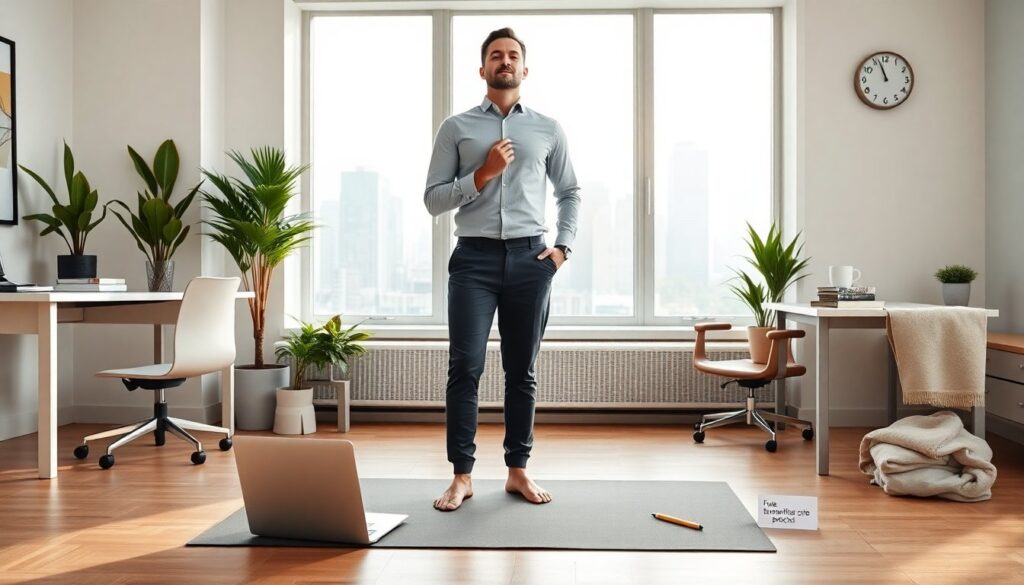
LitMoMeLit single tasking yoga practice helps people focus and lower stress in short sessions. The practice asks the student to do one clear action at a time. It uses steady breath and simple poses. It suits busy schedules and creative work. They can use this practice before work, after breaks, or during a creative block.
Key Takeaways
- LitMoMeLit single tasking yoga practice enhances focus and reduces stress by emphasizing one clear pose and breath pattern at a time.
- The 20-minute guided sequence uses simple cues and steady breath to improve concentration and release physical tension effectively.
- This yoga method suits busy schedules and creative professionals by being adaptable and easy to integrate before work or during breaks.
- Building a daily habit involves starting small, scheduling fixed times, tracking progress, and using consistent cues to maintain focus.
- Shortened versions of the practice can be used on busy days, making the LitMoMeLit single tasking yoga practice flexible and accessible for all levels.
- Regular practice supports better stress management, sharper working memory, and encourages creative insights through focused attention.
What Is LitMoMeLit Single‑Tasking Yoga And Why It Works
LitMoMeLit single tasking yoga practice asks the student to focus on a single pose and one breath pattern. The method removes multitasking. The method guides attention to a single sensation. The brain then reduces noise and improves concentration. The body then releases stored tension through slow movement and held poses. Studies show focused attention reduces cortisol and improves working memory. The practice uses short, repeatable cues. The cues help the student return to the present moment quickly. The practice fits a 20‑minute window. The short length helps people keep it daily. The method also encourages creative insight by allowing the mind to rest between focused efforts. The student finds ideas often arise after steady focus.
20‑Minute Guided Practice: Step‑By‑Step Sequence
The sequence uses four blocks and one closing reset. The student starts seated and ends standing. Each block lasts five minutes. The teacher gives one simple cue for each minute. The teacher asks the student to keep attention on breath and one physical point. The practice balances movement, holds, and breath work. The format keeps the mind on one task at a time. The student can adapt intensity without changing the structure. The approach works for beginners and for more experienced students. The structure supports daily use and quick recovery from stress. The practice serves creative people, office workers, and parents who need short, clear tools. The student can use the sequence before a meeting or after a break to restore focus.
Pose Details And Breath Cues For Each Minute
Minute 1: Sit tall in easy seat. Inhale for four counts. Exhale for four counts. Keep eyes soft. Focus on belly rise and fall.
Minute 2: Cat-cow on hands and knees. Inhale to arch the spine. Exhale to round the spine. Move slowly and match breath to motion.
Minute 3: Low lunge, right foot forward. Inhale to lengthen the spine. Exhale to sink the hips. Keep the front knee over the ankle.
Minute 4: Low lunge twist. Inhale to lift the chest. Exhale to twist toward the right thigh. Keep the breath smooth.
Minute 5: Half-split on the right. Inhale to lengthen. Exhale to fold over the extended leg. Keep the spine long.
Minute 6: Low lunge, left foot forward. Inhale to square the hips. Exhale to settle into the pose. Keep the breath steady.
Minute 7: Low lunge twist left. Inhale to open the chest. Exhale to rotate gently. Keep focus on the left hip.
Minute 8: Half-split on the left. Inhale to lengthen. Exhale to fold. Keep the ankle flexed.
Minute 9: Downward dog. Inhale to lift the hips. Exhale to press the heels. Keep micro-bends in the knees.
Minute 10: Standing forward fold. Inhale to soften knees. Exhale to relax over the legs. Keep the breath slow and even.
Minute 11: Chair pose. Inhale to reach arms up. Exhale to sink hips. Hold steady with smooth breath.
Minute 12: Warrior II, right side. Inhale to lengthen the spine. Exhale to settle into the stance. Keep the gaze soft over the front hand.
Minute 13: Side angle, right. Inhale to extend. Exhale to anchor the front forearm. Keep the breath low and steady.
Minute 14: Reverse warrior, right. Inhale to reach up. Exhale to feel the side body open. Keep the breath controlled.
Minute 15: Warrior II to reverse on the left side. Inhale to find length. Exhale to ground the back foot. Keep the stance firm.
Minute 16: Side angle, left. Inhale to extend. Exhale to anchor toward the front thigh. Keep attention on the left hip crease.
Minute 17: Reverse warrior, left. Inhale to reach up. Exhale to breathe into the side body. Keep the breath calm.
Minute 18: Forward fold from standing. Inhale to lengthen. Exhale to fold. Let the spine unload with each breath.
Minute 19: Rag doll with knees bent. Inhale to soften. Exhale to let the head hang. Keep attention on the neck release.
Minute 20: Tadasana, stand tall. Inhale to lift the chest. Exhale to ground the feet. Take three full breaths and notice focus and calm.
How To Build A Daily Habit And Adapt The Practice For Busy Days
They start small and keep the practice simple. They schedule the 20 minutes at a fixed time. They use the same cues each day. The repetition builds a habit quickly. On busy days they shorten the practice to five or ten minutes. They pick one block from the sequence and run it with full attention. They reduce distraction by leaving the phone in another room. They use a timer to mark each minute. They log each session with a quick note. They track time and mood after practice. They reward themselves with a small treat after seven consistent days. They invite a friend to join once a week for accountability. Over time the habit grows and the person finds it easier to focus and to move from task to task with calm. They keep the practice flexible and practical. They keep the practice as a steady tool for focus, stress reduction, and creative refresh.

Jynthorath Vorkal
A passionate voice in personal finance and technological innovation, Jynthorath Vorkal specializes in the intersection of traditional wealth-building and emerging digital economies. Their analytical approach breaks down complex financial concepts into actionable insights, with particular expertise in cryptocurrency markets and automated investing systems.
Writing with clarity and foresight, Jynthorath explores how technological advances reshape wealth creation opportunities. Their articles combine data-driven analysis with practical applications, helping readers navigate the evolving financial landscape.
Beyond writing, Jynthorath maintains a deep interest in algorithmic trading patterns and sustainable investing practices. Their perspective bridges the gap between conventional financial wisdom and next-generation wealth-building strategies.
At WealthVistaOnline.com, Jynthorath focuses on demystifying complex financial technologies and identifying emerging trends that impact personal wealth management.