
Why Delta-9 THC Needs Special Delivery Systems
Delta-9 THC and other cannabinoids present a fundamental challenge: they’re lipophilic, meaning they dissolve in fats and oils but not in water. This creates absorption problems when you swallow them in traditional tablet or powder form. Your digestive system is largely aqueous, designed to break down and absorb water-soluble nutrients efficiently. Fat-soluble compounds like THC require a completely different approach to achieve meaningful bioavailability—the percentage of the active ingredient that actually enters your bloodstream.
When you consume cannabinoids in dry forms, your body must first break them down, then rely on whatever dietary fats happen to be present in your digestive tract to facilitate absorption. This process is inherently inefficient and wildly variable. Taking a THC capsule on an empty stomach versus after a fatty meal can result in absorption differences of 300% or more. For people seeking consistent effects from cannabinoid supplements, this unpredictability undermines the entire purpose of measured dosing.
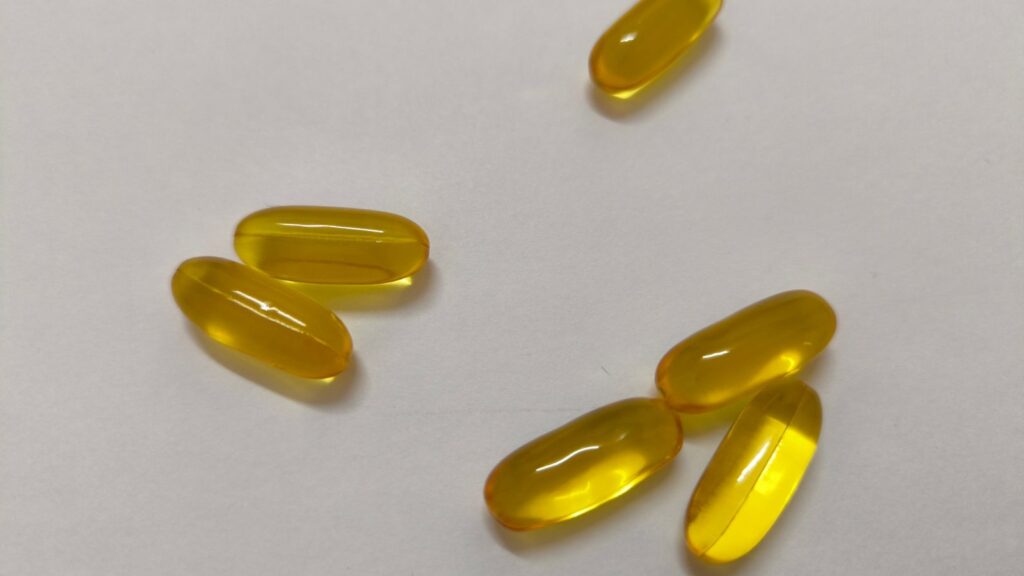
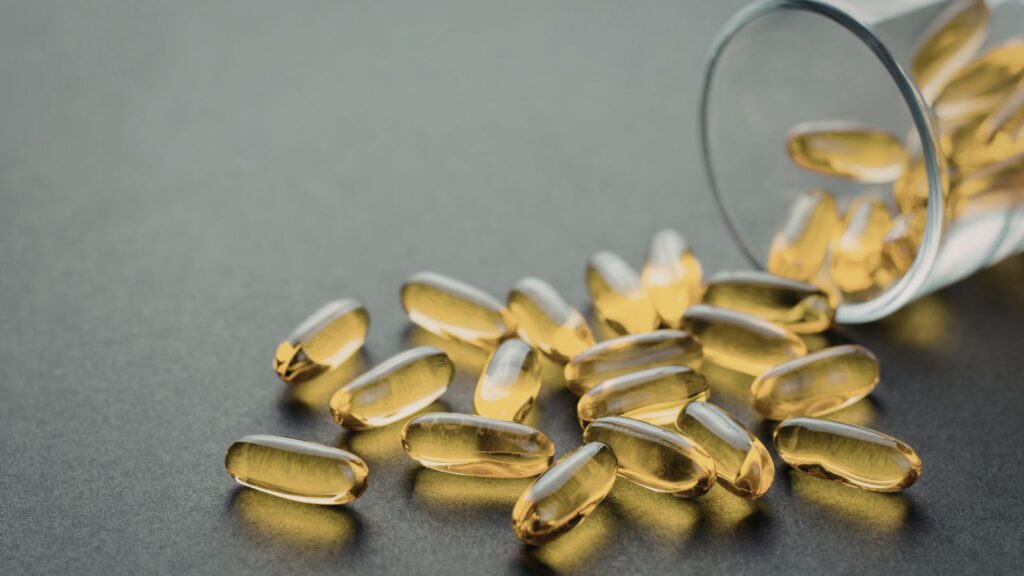
Softgel delivery systems address these challenges by pre-dissolving cannabinoids in appropriate carrier oils and encapsulating them in a gelatin or plant-based shell. This seemingly simple modification fundamentally changes how the body processes these compounds, improving nearly every aspect of cannabinoid delivery from the moment you swallow the capsule.
Bioavailability: Getting More From Less
The bioavailability problem with cannabinoids isn’t trivial. Research suggests that when you consume delta-9 THC in dry powder or crude extract form, only about 6-20% actually makes it into your bloodstream. The rest passes through your system without producing effects, essentially wasted. This low absorption rate forces manufacturers to include much higher doses than would otherwise be necessary, driving up costs and increasing the risk of unwanted side effects from the portion that does get absorbed.
Softgels improve this equation dramatically. By suspending cannabinoids in medium-chain triglyceride (MCT) oil, hemp seed oil, or other lipid carriers, softgels present THC to your digestive system in a form it can process immediately. The cannabinoids are already dissolved and emulsified, eliminating the rate-limiting step of waiting for your body to break down solid material and incorporate it into fat micelles.
Studies examining cannabinoid formulations show that oil-based delivery can increase bioavailability by 2-4 times compared to powder forms. This means a 10mg softgel might deliver effects equivalent to a 30-40mg powder capsule. The practical implications extend beyond just needing less product. Higher bioavailability translates to faster onset times, more predictable peak effects, and better dose-response relationships where small increases in dose produce proportional increases in effect rather than wildly variable results.
The lymphatic pathway absorption that occurs with lipid-based formulations also matters. Instead of going through first-pass liver metabolism that degrades much of the THC before it reaches general circulation, some cannabinoids in oil suspension get absorbed directly into lymphatic vessels. This route bypasses the liver initially, preserving more of the active compound and contributing to the improved bioavailability that softgels demonstrate.
Dose Consistency: The Uniformity Advantage
Cannabinoid products face significant challenges achieving dose uniformity, particularly with gummies, baked goods, and other formats where active ingredients must distribute evenly throughout a matrix. THC doesn’t dissolve in the water-based ingredients that make up most of these products, creating hotspots where cannabinoid concentration varies significantly between individual pieces. Testing has revealed gummies from the same batch containing anywhere from 60-140% of labeled cannabinoid content—a variance that makes predictable dosing nearly impossible.
Softgels eliminate this problem through their manufacturing process. Each capsule is filled individually with a precise volume of cannabinoid-oil solution. Because the cannabinoids are fully dissolved in the oil carrier, there’s no settling, separation, or clumping that could create concentration differences. Every softgel from a properly manufactured batch contains essentially identical amounts of THC, typically within 5% variance—a precision that other delivery formats struggle to match.
This consistency has implications beyond just knowing how much you’re taking. It enables proper experimentation to find your optimal dose. When each unit contains reliably the same amount, you can methodically adjust your intake and accurately assess results. With formats that have high dose variability, you might take what you think is the same amount but experience completely different effects, making it impossible to distinguish between dose adjustments and product inconsistency.
The stability of cannabinoids within the sealed softgel environment also contributes to dose consistency over time. While gummies or tablets might degrade unevenly as some pieces get more air or light exposure than others, softgels protect their contents uniformly. The capsule you take from the bottle on day one should deliver the same dose as the one you take months later, assuming proper storage.
Stability: Protecting Cannabinoids From Degradation
Cannabinoids are surprisingly fragile molecules. Exposure to oxygen, light, heat, and moisture all trigger degradation reactions that transform delta-9 THC into less active or inactive compounds. Products stored in suboptimal conditions can lose 20-30% of their cannabinoid content within months, leaving consumers with expired products that still look and smell fine but deliver diminished effects.
Softgel capsules create a protective microenvironment that shields cannabinoids from most degradation pathways. The gelatin or vegetarian shell provides an oxygen barrier that prevents oxidative degradation. Many manufacturers add antioxidants like vitamin E to the oil carrier for additional protection. The opaque shells used in most cannabinoid softgels block light, preventing photodegradation that clear capsules would allow.
The oil carrier itself contributes to stability. Cannabinoids suspended in oil remain more chemically stable than dry powders because the oil matrix limits their interaction with atmospheric oxygen. The encapsulation also prevents moisture exposure, which can trigger hydrolysis reactions in some cannabinoid formulations. This multi-layered protection system means softgels typically maintain their labeled potency significantly longer than alternative formats.
Shelf life testing on cannabinoid products consistently shows softgels outperforming gummies, tablets, and baked goods in retaining potency over time. While softgels are convenient for daily use, this stability advantage also makes them practical for infrequent users who might leave a bottle in their cabinet for extended periods. The product remains viable and effective rather than slowly degrading with each passing month.
Formulation Flexibility for Enhanced Effects
The liquid interior of softgels opens possibilities for sophisticated formulations that other delivery systems can’t easily accommodate. Formulators can combine delta-9 THC with other cannabinoids like CBD or CBN to create specific cannabinoid ratios aimed at particular effects. The oil carrier allows these different compounds to coexist in stable solution without the segregation or crystallization problems that plague some other formats.
Terpenes—the aromatic compounds from cannabis and other plants that may enhance or modulate cannabinoid effects—incorporate easily into softgel formulations. These volatile compounds would evaporate from gummies or degrade in tablets, but the sealed softgel environment preserves them. This enables the “entourage effect” formulations that combine cannabinoids with complementary terpenes for potentially enhanced therapeutic benefits.
Softgels also accommodate fat-soluble vitamins, omega fatty acids, and other lipophilic nutrients that people often take alongside cannabinoids. A single softgel might contain delta-9 THC plus vitamin D, vitamin E, and omega-3s—a combination impossible in water-based formats. This formulation flexibility means manufacturers can create targeted products for specific applications like sleep support, stress relief, or workout recovery by including synergistic ingredients that work through complementary mechanisms.
The controlled release possibilities with softgels deserve mention too. By adjusting the gelatin formulation or adding specific coatings, manufacturers can create softgels that dissolve at particular pH levels in the digestive tract or release their contents gradually over extended periods. This pharmaceutical-grade control over release kinetics allows for more sophisticated product designs than simple immediate-release formats permit.
The Bottom Line on Softgel Technology
The superiority of softgels for delivering fat-soluble cannabinoids isn’t just marketing hype—it reflects fundamental advantages rooted in chemistry and physiology. By presenting delta-9 THC in a form optimized for how your body actually processes lipophilic compounds, softgels achieve better absorption, more reliable dosing, and longer stability than alternative delivery formats. For consumers who want predictable, efficient cannabinoid supplementation, these advantages translate directly into better results and better value despite potentially higher upfront costs per unit.