A public event can feel exciting until the crowd starts moving in ways no one planned for. At concerts, festivals, fairs, sporting events, parades, and community gatherings, people may arrive in waves, gather around attractions, push toward popular areas, or leave all at once. If the space is not managed carefully, the crowd itself can become a hazard.
Poor crowd control does not always look chaotic at first. It may begin with a slow-moving entrance, a confusing line, an overcrowded aisle, or a blocked walking path. By the time people feel trapped, rushed, or unable to move freely, the risk of injury may already be serious.
The First Warning May Be a Bottleneck
Crowd problems often begin where movement slows. A ticket checkpoint, security table, narrow gate, food stall, restroom line, or merchandise booth may collect more people than the area can safely handle. Guests in front may stop while people in the back continue moving forward.
This can create pressure, frustration, and panic. Someone may stumble, be pushed into a barrier, or fall where others cannot easily see them. A bottleneck may seem like an inconvenience, but in a crowded event space, it can become the first sign that the layout was not prepared for the number of people attending.
Lines Can Spill Into Unsafe Areas
Lines are part of many public events, but poorly placed lines can create danger. A queue may stretch across a walkway, block a stairway, interfere with an exit, or force people into vehicle paths. When guests do not know where a line begins or ends, they may cluster in random directions.
This kind of crowding can cause trip hazards, shoulder-to-shoulder pressure, arguments, or sudden movement. A safe event plan should consider not only where people will stand, but also where the line will go when it becomes longer than expected.
Popular Attractions Can Pull the Crowd Too Quickly
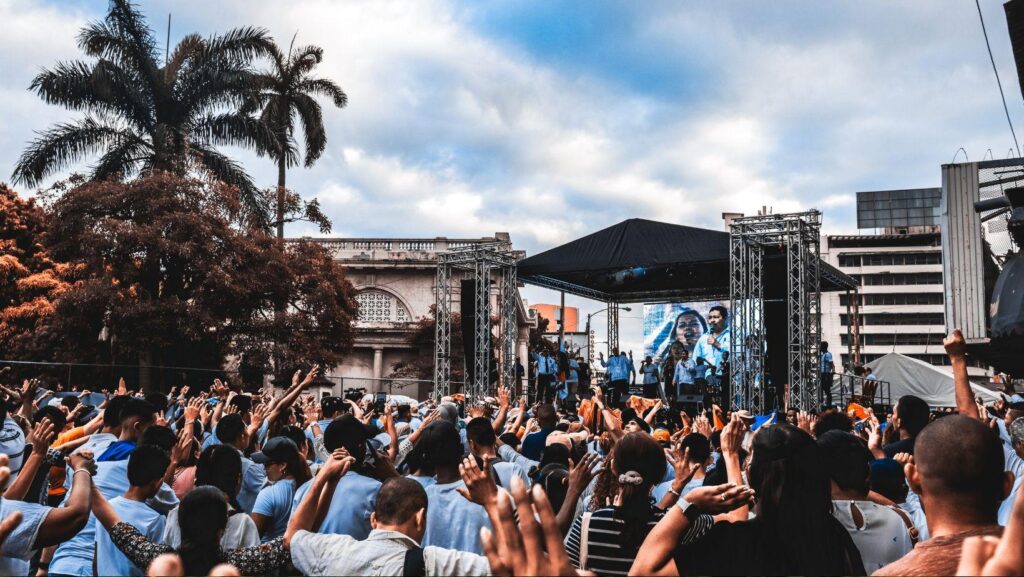
Stages, performers, giveaways, food trucks, celebrity appearances, fireworks, and announcements can cause a crowd to shift suddenly. People may rush toward the same area without realizing there is not enough room. Others may be pushed from behind even if they are not trying to move forward.
This is especially dangerous near stages, barricades, stairs, ramps, and raised platforms. A person caught in the movement may lose balance or be pressed against a hard surface. A Spokane personal injury lawyer may review event maps, witness statements, and video footage to understand how crowd movement developed before an injury.
Mixed Traffic Can Create Confusion
Public events often bring together pedestrians, vendors, staff carts, bicycles, scooters, rideshare vehicles, delivery vehicles, and emergency responders. If these paths are not separated, people may be forced to share space with moving equipment or vehicles.
A guest may be struck, knocked down, or forced to step into another hazard while trying to avoid traffic. Families with children, older adults, and people using mobility aids may face greater risk when the walking path is unpredictable. Clear separation between guest areas and service routes can prevent confusion from turning into injury.
Temporary Flooring and Ground Surfaces Can Add Risk
Crowd control is not only about people. It is also about the surface beneath them. Outdoor events may use temporary mats, ramps, cables, platforms, grass paths, gravel areas, or uneven pavement. When crowds gather tightly, guests may not be able to see the ground ahead.
A loose mat, hidden cable, muddy patch, broken pavement, or uneven transition can cause a fall. The risk increases when people are pushed forward or cannot choose their steps carefully. If the crowd is dense, a simple trip can lead to several people falling together.
Staff May Notice Trouble Too Late
Event workers are often placed at entrances, stages, gates, and vendor areas, but they must be trained to recognize crowd pressure before it becomes dangerous. A crowd that stops moving, compresses near a barrier, or begins pushing from the back may need immediate attention.
If staff wait until someone is already hurt, the response may come too late. Workers should be able to redirect people, open additional routes, pause entry, communicate with supervisors, and call for help. Poor crowd control often reflects not only too few workers, but also workers who were not given clear instructions.
Emergency Paths Must Stay Clear
A public event needs room for medical help, security response, and evacuation. If emergency paths are blocked by vendors, fencing, parked vehicles, equipment, or guests, an injured person may wait longer for help.
This delay can worsen the harm. A fall, head injury, heat-related illness, or crushing injury may require quick attention. When a crowd prevents responders from reaching someone, the event’s safety plan may deserve close review.
Children and Smaller Guests Can Be Harder to Protect
Crowds can be especially dangerous for children and shorter guests because they may not see what is happening ahead. They can become separated from family, pushed below adult shoulder level, or trapped near barriers. A crowd that feels merely crowded to an adult may feel frightening and unsafe to a child.
Event organizers should account for families, strollers, and vulnerable guests when designing entrances, exits, viewing areas, and walkways. A safe layout should not depend on every guest being tall, strong, or able to push through a crowd.
The Scene May Disappear After the Event
Public event evidence can vanish quickly. Temporary fencing may be removed, signs taken down, booths packed away, and flooring lifted. Staff may leave, and surveillance footage may be overwritten. What looked dangerous during the event may be hard to recreate later.
Injured guests should save tickets, photos, videos, wristbands, medical records, witness names, event maps, and messages from organizers. Social media posts may also show overcrowding, blocked paths, long lines, or unsafe conditions before the injury occurred.
When the Crowd Was the Hazard
A crowd does not become dangerous only because many people attend an event. It becomes dangerous when the space, staffing, signs, barriers, and movement plan do not match the crowd’s behavior. Public event injuries may happen because pressure built up, lines spilled into walkways, routes were blocked, or staff failed to respond in time.
When someone is hurt at a public event, the investigation should look beyond the single moment of injury. It should ask how people were directed, where pressure formed, what staff saw, and whether safer planning could have prevented the harm. A well-managed crowd can create a memorable event. A poorly managed one can create preventable injuries.

Jynthorath Vorkal
A passionate voice in personal finance and technological innovation, Jynthorath Vorkal specializes in the intersection of traditional wealth-building and emerging digital economies. Their analytical approach breaks down complex financial concepts into actionable insights, with particular expertise in cryptocurrency markets and automated investing systems.
Writing with clarity and foresight, Jynthorath explores how technological advances reshape wealth creation opportunities. Their articles combine data-driven analysis with practical applications, helping readers navigate the evolving financial landscape.
Beyond writing, Jynthorath maintains a deep interest in algorithmic trading patterns and sustainable investing practices. Their perspective bridges the gap between conventional financial wisdom and next-generation wealth-building strategies.
At WealthVistaOnline.com, Jynthorath focuses on demystifying complex financial technologies and identifying emerging trends that impact personal wealth management.