
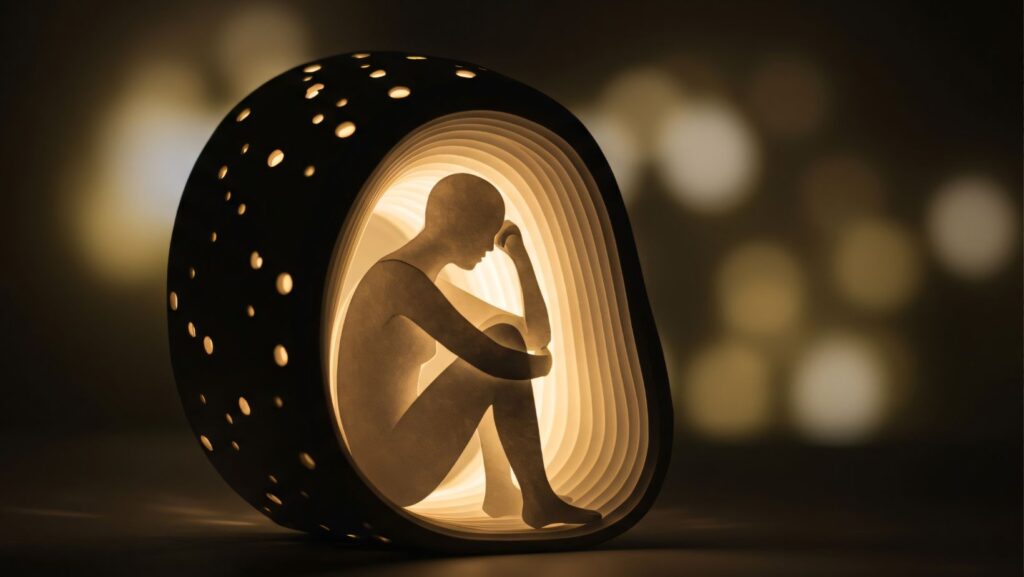
Life is filled with turning points, and transitions often come with both emotional weight and logistical challenges. Whether someone is relocating, simplifying their home or creating room for personal growth, practical tools like a storage container denver solution can play a surprising role in supporting emotional clarity. When physical space becomes easier to manage, the mind often follows, allowing people to navigate change with greater calm and intention.
The Connection Between Physical Space and Emotional Balance
Clutter does more than fill rooms. It occupies mental energy, distracts attention and makes it harder to connect with moments of quiet awareness. When life becomes overwhelming, the state of one’s environment often reflects that inner tension. Major transitions, whether joyful or difficult, can intensify this feeling.
People commonly experience scattered thoughts when their surroundings are filled with unfinished tasks or items piled in corners. This creates an emotional ripple effect, making it harder to focus on mindfulness practices, self reflection or personal growth. Organizing physical belongings is not merely a practical step but a meaningful act that supports emotional well being.
A clear environment acts as an invitation for stillness. It encourages people to slow down, breathe deeply and reconnect with what matters most.
Preparing for Change Through Mindful Decluttering
Before embracing a new chapter, many individuals feel the need to release what no longer serves them. Mindful decluttering is about more than discarding objects. It invites people to examine the stories attached to their possessions and make thoughtful choices based on current values.
Key questions to guide the process
- Does this item support who I am today or who I want to become
- Does it carry emotional weight that I wish to keep or gently let go
By asking these questions, people can move through decluttering with compassion for themselves. Instead of rushing, they create space both physically and emotionally. This approach brings intention to the transition and helps reduce the anxiety that often comes with change.
Creating Breathing Room at Home
Once meaningful decisions have been made about what to keep, the next step is creating order. Many people underestimate how much stress comes from living in a space that feels crowded. Items may be important, but that does not mean they need to be underfoot every day.
Organizing belongings through temporary storage can create the breathing room needed to regain clarity. Separating daily essentials from items not required immediately helps restore a sense of control. This is particularly helpful during moves, renovations or life transitions when routines are disrupted.
Practical strategies for restoring harmony at home
- Place frequently used items in visible, accessible areas.
- Store meaningful but non essential belongings safely until routines stabilize.
A calmer home environment supports emotional grounding, allowing people to focus on gratitude, connection and inner peace.
Holding Space for Personal Transformation
Major transitions often require emotional resilience. Whether someone is embracing a new city, adjusting to a new role or shifting into a different phase of life, the process can feel overwhelming. Creating a sense of order brings comfort during these moments, offering stability when everything feels uncertain.
Two important areas of support during transitions
Emotional Stabilization
People need an anchor during change. A balanced and orderly environment provides this stability, helping them feel centered even when external circumstances shift.
Mental Clarity
Reducing physical distractions makes it easier to reflect, process emotions and make thoughtful decisions. A clear home helps cultivate a clear mind.
When people have the space to breathe, their ability to adapt increases. The transition becomes not only manageable but also meaningful.
Cultivating Mindfulness Through Intentional Habits
Mindfulness is not just a practice but a way of moving through life with awareness. Creating intentional habits during a transition supports both emotional peace and long term well being. Once the home environment feels lighter, people often find it easier to incorporate mindful routines that nurture their inner world.

Short daily practices such as gratitude reflections, mindful breathing or quiet pauses throughout the day build emotional resilience. When these habits take place in a space that feels uncluttered and harmonious, their impact becomes even stronger.
Mindfulness also encourages people to engage with their surroundings more intentionally. They learn to appreciate the objects they choose to keep and live with greater presence.
Embracing New Beginnings With an Open Heart
Every transition offers an opportunity to realign with personal values and rediscover a sense of inner calm. Creating space, both physically and emotionally, allows people to move forward with clarity and strength. When individuals take the time to declutter, organize and support their environment with practical solutions, they free themselves to focus on personal growth and meaningful connection.
A lifestyle built on intention, awareness and compassion transforms the challenges of change into stepping stones for deeper understanding. By cultivating this mindset, people can welcome new chapters with openness and gratitude, allowing each moment to become a chance for peace.