
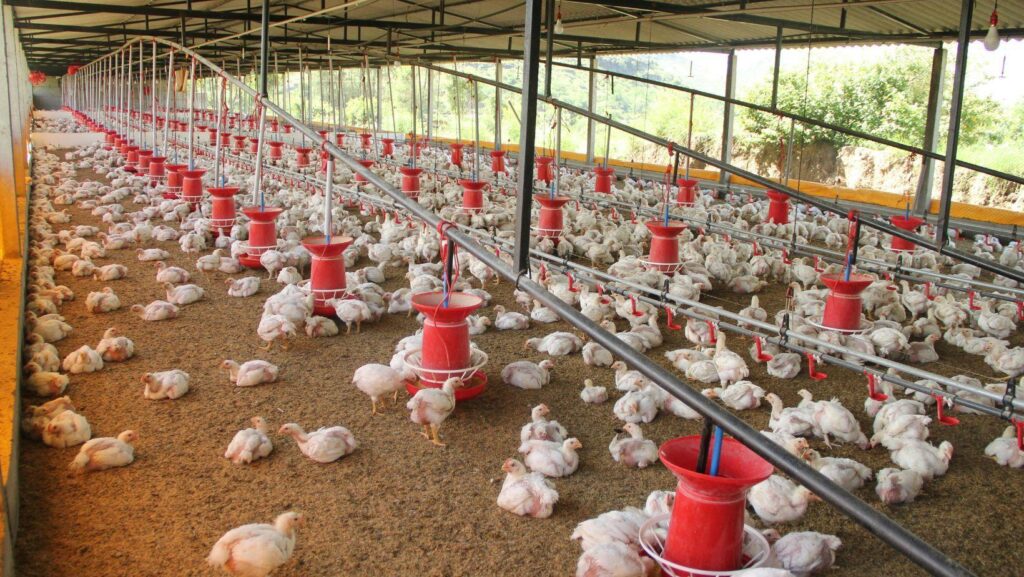
Raising backyard chickens is increasingly popular, but before the first hen settles into her nesting box, there’s foundational work that has to happen first. Here’s a practical checklist for building a secure enclosure from the ground up.
Step 1: Identify your local predator risk. Depending on your region, this might mean raccoons, foxes, hawks, coyotes, or neighborhood dogs. Many of these are capable diggers or climbers, so a coop that looks secure at a glance can still have real vulnerabilities. Talking to neighbors who’ve kept chickens in the area, or checking with a local extension office, can help identify which predators are actually active nearby rather than guessing based on generic advice.
Step 2: Choose the right fencing material. Chicken wire remains one of the most practical materials for coop enclosures, runs, and general fencing. It strikes a useful balance:
- Allows airflow and natural light through the enclosure
- Provides a physical barrier without blocking visibility
- Is easier to shape and install than rigid fencing
Step 3: Build the run with predator-proofing in mind.
- Fence height needs to prevent both flight-capable predators and the chickens themselves from easily escaping
- A secured top covering matters if aerial predators like hawks are active in your area
- Bury wire several inches into the ground around the perimeter, or attach a wire “apron” extending outward from the fence base, to stop digging predators from tunneling underneath
This step is where most predator-related losses actually happen, since a run that’s secure on the sides but open at the top or vulnerable underground still leaves the flock exposed. Treating the run as a full six-sided enclosure — top, sides, and buried perimeter — rather than just a fenced-in yard makes the biggest practical difference.
Step 4: Reinforce the coop structure itself. Nighttime is when predator activity tends to peak, so:
- Cover any gaps, vents, or openings with sturdy wire mesh
- Don’t leave any opening larger than what a determined predator could exploit, even small ones
- Use a secure, predator-resistant latch on doors and access points — many predators, particularly raccoons, are capable of working simple hook-and-eye latches open
Step 5: Extend protection to the garden, if you free-range. Free-ranging chickens are notorious for scratching up garden beds and eating seedlings. A simple wire barrier around garden plots protects a season’s worth of planting, and it works in both directions — keeping chickens out of beds they’d otherwise damage, and keeping garden predators away from birds during free-range hours.
Step 6: Maintain the installation over time.
- Use sturdy fence posts spaced closely enough to prevent sagging
- Secure wire tightly at seams and corners so gaps don’t open as material weathers
- Check the enclosure periodically for rust or damage, especially after storms or heavy snow
- Walk the entire perimeter a few times a year looking specifically for digging attempts or worn spots in the wire
Predators are persistent, and a coop that was secure at installation can develop weak points over a season or two of weather exposure and repeated testing by local wildlife. A short periodic inspection catches most of these issues before they become an actual breach.
For this kind of build, Murdoch’s carries chicken wire suited to coop construction, run fencing, and general enclosure reinforcement — a practical one-stop option for homesteaders working through this project from the ground up.
A secure coop isn’t just about convenience — it’s about the wellbeing of the flock. Working through setup methodically, rather than rushing the enclosure, gives backyard chicken keepers real peace of mind that their birds are protected both overnight and while free-ranging during the day. The upfront time spent getting the fencing, burial depth, and latches right tends to pay for itself many times over, since a single predator breach can undo months of careful flock-raising in one night. Treating predator-proofing as an ongoing project rather than a one-time task is ultimately what keeps a flock safe for years rather than just the first season, and it’s a far easier problem to manage proactively than to fix after a loss has already occurred.

Jynthorath Vorkal
A passionate voice in personal finance and technological innovation, Jynthorath Vorkal specializes in the intersection of traditional wealth-building and emerging digital economies. Their analytical approach breaks down complex financial concepts into actionable insights, with particular expertise in cryptocurrency markets and automated investing systems.
Writing with clarity and foresight, Jynthorath explores how technological advances reshape wealth creation opportunities. Their articles combine data-driven analysis with practical applications, helping readers navigate the evolving financial landscape.
Beyond writing, Jynthorath maintains a deep interest in algorithmic trading patterns and sustainable investing practices. Their perspective bridges the gap between conventional financial wisdom and next-generation wealth-building strategies.
At WealthVistaOnline.com, Jynthorath focuses on demystifying complex financial technologies and identifying emerging trends that impact personal wealth management.