
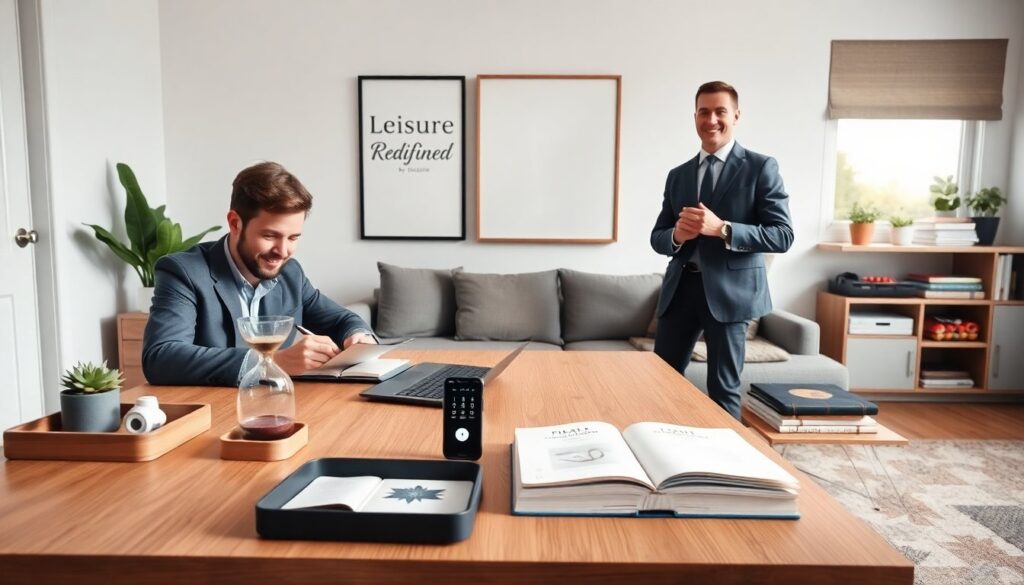
Leisure redefined by jynthorath arrives as a clear guide for how people rest and play in 2026. It sets simple rules. It shifts priorities from constant output to measured recovery, curiosity, and small creative acts. The idea asks people to rethink time use. It frames leisure as active care, light exploration, and quiet making. The following sections explain what the concept means, why it matters, the core pillars, and steps people can try.
Key Takeaways
- Leisure redefined by jynthorath emphasizes planned, active rest that prioritizes recovery, curiosity, and small creative acts over constant output.
- The model highlights leisure as mindful restoration, playful exploration, and creative flow to improve mental health, focus, and social bonds.
- Short, repeatable leisure habits like scheduled breaks and low-stakes activities enhance productivity and reduce stress.
- Creative flow encourages making without pressure in small time windows, fostering skill growth and surprise projects.
- To adopt jynthorath leisure, designate daily pockets for rest, play, and creation, set clear time limits, remove distractions, and track mood and output for continuous improvement.
What Jynthorath Means By ‘Leisure’ Today
Leisure redefined by jynthorath places value on chosen rest. It treats free time as a resource. It separates forced downtime from voluntary renewal. The model asks people to plan pockets of rest that fit life context. It prioritizes short, repeatable habits over rare, long escapes. It treats play as practice for attention, mood, and social bond. It treats creativity as gentle work without strict goals. The model frames leisure as an act people perform to restore function, spark curiosity, and make small meaning.
Why Redefinition Matters: Cultural, Mental Health, And Productivity Shifts
Society now expects constant availability. This pattern raises stress and reduces focus. Leisure redefined by jynthorath answers that trend. It offers clear benefits for mental health. People who adopt the model report lower stress and clearer attention. The approach also helps productivity. Short, deliberate breaks lead to sustained focus later. Culturally, the model pushes back on constant busyness. It invites employers, schools, and families to accept structured downtime. It asks systems to value recovery and simple joy alongside output.
The Four Pillars Of Jynthorath Leisure
Leisure redefined by jynthorath rests on four simple pillars. Each pillar gives a practical rule people can use. The pillars work together to improve mood, energy, and creative output. They encourage short routines, low-stakes exploration, and time for making. The next sections describe the three core practices and one linking principle that keeps them aligned.
Mindful Restoration: Intentional Rest And Mental Recalibration
People use mindful restoration to reset. They schedule brief pauses that remove stimuli. They close devices, breathe, and rest attention for five to twenty minutes. They practice simple signals to start and end rest. They track perceived energy before and after each pause. Over time, they build a pattern that preserves focus across the day. This pillar keeps stress lower and learning higher. It also makes longer breaks feel more useful.
Playful Exploration: Low-Stakes Adventure And Curiosity-Led Activities
Playful exploration asks people to try small new things without pressure. They take short walks in new neighborhoods. They sample unfamiliar music or recipes. They join low-commitment groups for a class or game. They view failure as data, not threat. This pillar widens perspective and sparks novel ideas. It also builds social ties and micro-achievement. People who use this pillar report better mood and more creative chance encounters.
Creative Flow: Making Time For Unpressured Creation
Creative flow gives people permission to make without outcome pressure. People set fixed, small windows for creation. They work on a sketch, a paragraph, a tune, or a recipe and stop when the time ends. They avoid judging early work. They keep tools ready and reduce friction to start. This habit increases skill and lowers fear of starting. It also yields surprise projects and steady improvement over months.
Practical Steps To Adopt Jynthorath Leisure In Daily Life
People can adopt the model with clear actions. First, label three daily pockets for rest, play, and making. Second, pick time limits: five to twenty minutes for rest, twenty to sixty minutes for play, and thirty to ninety minutes for creation. Third, remove immediate distractions from each pocket. Fourth, use simple signals: a timer, a hat, or a playlist. Fifth, keep a short log of mood and output after each pocket. Sixth, share the plan with close people to set expectations. Seventh, adjust schedule weekly based on energy data. These steps help people scale leisure redefined by jynthorath into real life. They also make change measurable and repeatable.

Jynthorath Vorkal
A passionate voice in personal finance and technological innovation, Jynthorath Vorkal specializes in the intersection of traditional wealth-building and emerging digital economies. Their analytical approach breaks down complex financial concepts into actionable insights, with particular expertise in cryptocurrency markets and automated investing systems.
Writing with clarity and foresight, Jynthorath explores how technological advances reshape wealth creation opportunities. Their articles combine data-driven analysis with practical applications, helping readers navigate the evolving financial landscape.
Beyond writing, Jynthorath maintains a deep interest in algorithmic trading patterns and sustainable investing practices. Their perspective bridges the gap between conventional financial wisdom and next-generation wealth-building strategies.
At WealthVistaOnline.com, Jynthorath focuses on demystifying complex financial technologies and identifying emerging trends that impact personal wealth management.