
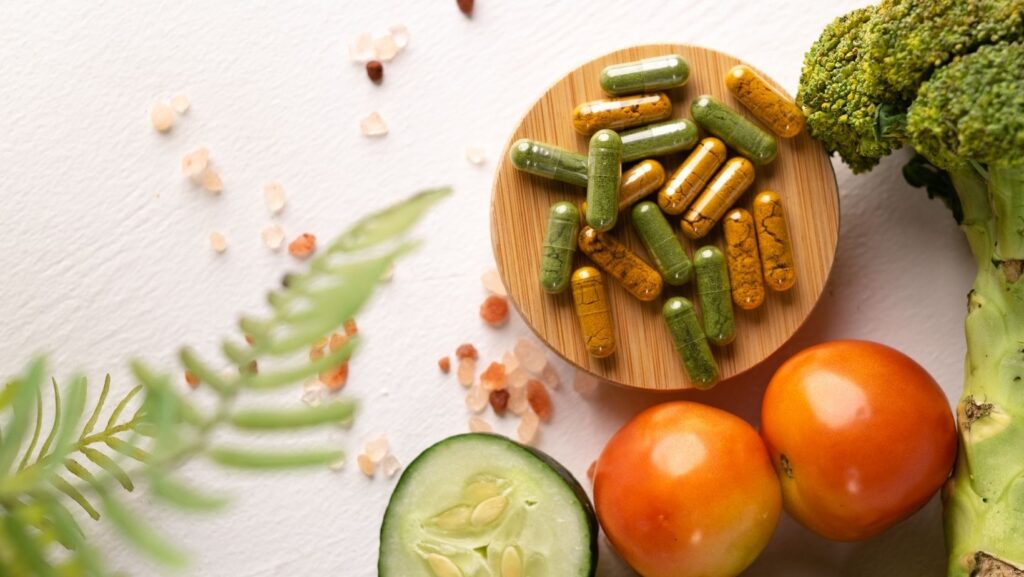
Summary: This article offers a grounded, practical guide to supplements commonly used to support social anxiety relief. It covers the neurological basis of social anxiety, the most researched supplement options including their mechanisms and evidence base, what to look for in quality formulations, and how introverts specifically can benefit from a targeted nutritional support approach alongside other healthy habits.
Social anxiety is not just shyness. It is the racing heart before a meeting, the mental replay of every conversation afterward, the exhaustion of performing normalcy in environments that feel genuinely overwhelming. For introverts especially, social situations can drain energy in ways that go far beyond personality preference and into territory that affects daily functioning, relationships, and quality of life. More people are looking beyond conventional approaches to find additional tools that support their nervous system from the inside out, and interest in supplements for social anxiety has grown significantly as the research in this space has matured. This guide breaks down what is actually worth knowing, what the evidence says, and how to approach supplementation thoughtfully.
Understanding What Is Happening in the Anxious Brain
Why Social Anxiety Is a Biological Experience, Not Just a Mental One
Before diving into specific supplements, it helps to understand what is actually happening physiologically when social anxiety kicks in. This is not just a mindset issue. There are real neurological and biochemical processes at play that explain why some people find social situations genuinely taxing rather than energizing.
Several key systems are involved:
The HPA axis and cortisol. The hypothalamic-pituitary-adrenal axis governs the stress response. In people with heightened social anxiety, this system can be overactive, producing elevated cortisol in social situations that objectively do not require a threat response. Over time, chronic activation of this system contributes to fatigue, mood disruption, and heightened reactivity.
GABA activity. Gamma-aminobutyric acid is the brain’s primary inhibitory neurotransmitter. It essentially acts as a brake on neural excitability. Lower GABA activity or reduced sensitivity to GABA is associated with anxiety states, including social anxiety. Many anxiolytic compounds, both pharmaceutical and natural, work at least partially through GABA pathways.
Serotonin signaling. Serotonin plays a significant role in mood regulation and social behavior. Dysregulation in serotonin signaling is consistently associated with anxiety disorders, which is why serotonin-targeting medications are commonly prescribed for social anxiety disorder.
Norepinephrine and the sympathetic nervous system. The physical symptoms of social anxiety, including rapid heartbeat, sweating, and trembling, are largely driven by sympathetic nervous system activation. Compounds that modulate adrenergic activity can reduce the intensity of these physical responses.
Understanding these systems matters because it explains why certain supplements have plausible mechanisms of action rather than just anecdotal support. The best options in this space are not random wellness trends. They are compounds with identifiable effects on the biology of anxiety.
The Supplements Most Worth Considering
What the Research Actually Says
L-Theanine
L-theanine is an amino acid found naturally in green tea and is one of the most well-studied compounds for anxiety support. It promotes alpha brain wave activity, which is associated with a calm, alert mental state, without causing sedation. This makes it particularly useful for situations where you need to be present and functional, not just relaxed.
Research has shown L-theanine can reduce physiological and psychological stress responses, including in anticipatory anxiety situations. For introverts navigating social environments, the combination of reduced physical tension and maintained mental clarity is a genuinely useful effect.
It is commonly paired with caffeine to smooth out the edge of stimulant-driven alertness, but it works effectively on its own as well. Typical research doses range from 100mg to 200mg.
Ashwagandha
Ashwagandha is an adaptogenic herb with a strong research base for reducing cortisol and supporting stress resilience. Multiple clinical trials have demonstrated significant reductions in perceived stress and anxiety with consistent use, along with measurable decreases in serum cortisol.
For people whose social anxiety has a strong stress-reactivity component, meaning situations that feel unmanageable partly because the baseline stress load is already high, ashwagandha addresses that foundational layer. It is not a fast-acting compound. Benefits tend to build over four to eight weeks of consistent use, which means it is better understood as a foundation supplement than a situational one.
Look for extracts standardized to withanolides, the active compounds responsible for most of its documented effects. KSM-66 and Sensoril are two well-researched patented forms with solid clinical backing.
Magnesium
Magnesium is involved in over 300 enzymatic processes in the body, and its role in nervous system regulation is particularly relevant for anxiety. Magnesium modulates NMDA receptors, supports GABA function, and helps regulate the HPA axis. Deficiency is remarkably common, and low magnesium status is consistently associated with heightened anxiety and stress sensitivity.
For many people, addressing a magnesium deficiency alone produces noticeable improvements in baseline anxiety. Not all forms are equal. Magnesium glycinate and magnesium threonate are generally preferred for nervous system support due to their superior absorption and bioavailability compared to oxide or sulfate forms.
Rhodiola Rosea
Rhodiola is another adaptogen with a strong evidence base, particularly for fatigue, cognitive performance under stress, and anxiety. It works partly through monoamine pathways, influencing serotonin and dopamine activity, and partly through its effect on stress hormone regulation.
For introverts who find social situations depleting, rhodiola is interesting because it addresses both the anxiety component and the energy and cognitive fatigue that can come with sustained social engagement. Studies have shown improvements in stress-related burnout, mental fatigue, and anxiety symptoms with relatively short periods of supplementation.
GABA
Direct GABA supplementation is somewhat debated because the blood-brain barrier limits how much orally consumed GABA actually reaches the brain. However, some research suggests it may still have meaningful effects through peripheral nervous system activity and gut-brain pathways. Certain forms, including PharmaGABA derived from fermentation rather than synthetic sources, have shown more promising results in studies examining relaxation and stress response.
It is worth including as part of a broader formulation rather than relying on it as a standalone solution.
Lemon Balm
Lemon balm is a herb from the mint family with documented effects on anxiety and mood. It works partly by inhibiting the enzyme that breaks down GABA, effectively increasing GABA availability in the brain. Research has shown reductions in anxiety and improvements in mood with lemon balm supplementation, and it combines well with other calming compounds.
It has a mild effect profile that makes it suitable for everyday use without the concern of dependency or significant side effects that can accompany stronger interventions.
What Introverts Specifically Should Know
Tailoring Supplementation to How You Actually Experience Social Situations
Introversion and social anxiety are not the same thing, but they frequently overlap, and the combination creates specific patterns worth addressing directly.
Introverts recharge through solitude and can find sustained social engagement genuinely draining regardless of anxiety levels. When social anxiety layers on top of that, the cumulative effect can make social participation feel nearly impossible rather than just tiring. Supplementation that addresses anxiety without forcing artificial stimulation or extroverted energy is particularly relevant here.
The ideal supplement approach for an introvert with social anxiety tends to focus on:
- Reducing the physiological alarm response so that social situations feel less like threats and more like manageable experiences
- Supporting cognitive clarity so that self-consciousness and mental noise decrease without producing sedation
- Building stress resilience over time so the baseline from which social situations are approached is more stable
This is different from wanting to become a different person. It is about reducing the neurological noise so that the authentic version of yourself can show up more easily in situations that currently feel overwhelming.
How to Approach Supplementation Intelligently
Practical Considerations Before You Start
Start with one or two additions at a time. Adding multiple supplements simultaneously makes it impossible to identify what is working and what is not. Introduce new additions one at a time and give each at least two to four weeks before evaluating.
Consistency matters more than dosage. Most of the supplements discussed here produce their best effects with consistent daily use rather than occasional high doses. Think of them as nutritional support for the nervous system rather than on-demand medication.
Quality varies enormously. The supplement industry is not uniformly regulated, and product quality ranges from excellent to essentially useless. Look for products that use third-party testing, clearly disclose ingredient forms and doses, and avoid proprietary blends that hide how much of each ingredient is actually included.
Supplements support a broader approach. They are most effective when combined with other evidence-based habits including adequate sleep, regular physical movement, reduced alcohol intake, and where appropriate, therapeutic support. They are not a replacement for addressing the underlying patterns of social anxiety. They are tools that make the work of addressing those patterns more manageable.
Talk to a healthcare provider if you are on medication. Several of these supplements interact with medications, particularly antidepressants and anxiolytics. This is a non-negotiable conversation to have before adding anything to your routine if you are currently prescribed any psychiatric or neurological medication.
Building a Stack That Makes Sense
For most people approaching social anxiety supplementation for the first time, a practical starting point looks something like this:
| Goal | Supplement to Consider |
|---|---|
| Immediate situational calm | L-Theanine |
| Baseline stress and cortisol reduction | Ashwagandha |
| Nervous system nutritional support | Magnesium Glycinate |
| Energy and cognitive resilience | Rhodiola Rosea |
| GABA pathway support | Lemon Balm |
This is not a prescription. It is a framework for thinking about what each addition is actually doing and why it might be useful for your specific experience of social anxiety.
Final Thoughts
Social anxiety is real, it is biological, and it is addressable. Supplements are not a cure, and anyone who tells you otherwise is overpromising. But for introverts and anyone else navigating the genuine difficulty of social anxiety, targeted nutritional support for the nervous system can be a meaningful part of a broader toolkit.
The key is approaching it with the same thoughtfulness you would apply to any health decision: understand what you are taking, why it might help, what quality looks like, and how it fits into the larger picture of how you are taking care of yourself.
Small, consistent changes to how you support your nervous system can produce real shifts in how social situations feel over time. That is not a small thing.