Summary: Dental health in childhood affects overall wellness, with early cavity prevention crucial for avoiding future problems in permanent teeth. Parents can build successful oral care habits through consistent routines, age-appropriate tools, and strategies that make tooth brushing an enjoyable part of daily life rather than a struggle.
Establishing healthy oral care routines early in life sets the foundation for lifelong dental health. Many parents today are choosing kids fluoride free toothpaste for their children as part of their daily routine, seeking natural alternatives that still provide effective cleaning. NOBS Routines understands that creating consistent habits doesn’t have to be complicated – simple, effective strategies can make oral care enjoyable for children while reducing the daily stress parents face during morning and bedtime routines.
The Building Blocks of Children’s Oral Health
Dental health in childhood affects overall wellness and development. Teeth support nutrition, speech development, and self-confidence. Research shows that children with cavities in baby teeth often develop dental problems in permanent teeth. This makes prevention important from an early age.
The American Academy of Pediatric Dentistry recommends starting oral care before the first tooth appears. Parents can wipe their gums with a damp cloth to remove bacteria and establish a mouth-cleaning routine. When teeth emerge, families should transition to toothbrushes and toothpaste designed for children.
Creating Consistency Without Conflict
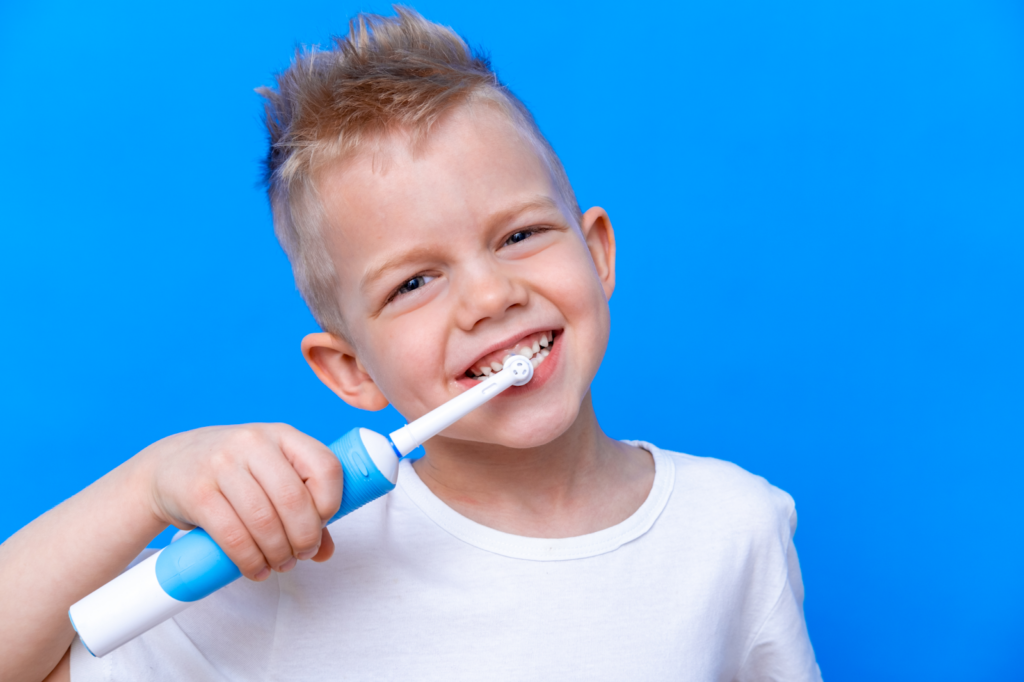
Successful oral care habits develop through consistency rather than perfection. Children respond well to routine. Adding toothbrushing to daily routines helps reduce resistance. Consider these approaches:
Morning Integration: Connect tooth brushing to morning activities. After breakfast, make brushing the last step before getting dressed. This progression helps children see oral care as part of their day.
Evening Wind-Down: Include evening brushing in the bedtime routine. Place it after bath time and before story time. This sequence signals bedtime while ensuring clean teeth overnight, when bacteria grow more quickly.
Visual Reminders: Charts or calendars at the child’s eye level in the bathroom provide visual cues. Children can mark when they complete brushing. This builds a sense of accomplishment.
Making Oral Care Engaging
Parents can transform tooth brushing from a task into an activity through different methods:
Timer Games: Two-minute timers help children understand how long to brush. Musical timers, hourglass timers, or apps for kids make time pass while ensuring proper cleaning.
Choice and Control: Let children select their toothbrush color or choose between toothpaste flavors. This decision-making often reduces resistance to the routine.
Educational Moments: Explain oral care in terms children understand. Young children might learn about ‘sugar bugs’ that need to be brushed away. Older children can understand the formation of plaque and cavities.
Addressing Common Challenges
Parents face various oral care obstacles. Understanding these issues helps create solutions:
Texture Sensitivity: Some children dislike the texture of toothpaste or the foam. Start with small amounts and increase gradually to build tolerance. Fluoride-free options often have milder flavors and textures that work better for sensitive children.
Time Constraints: Busy mornings challenge routines. Prepare toothbrushes the night before and keep supplies within reach to save time. Consider keeping extra toothbrushes in different bathrooms if needed.
Resistance Phases: Children test boundaries. Stay calm and consistent during refusal periods. Offer choices within the routine instead of confrontation to resolve resistance.
Supporting Long-Term Success
Oral care habits develop through skill-building over time. Parents first handle all brushing. Then, children participate by holding the brush while parents guide. Later, children brush on their own with supervision and help for difficult areas.
Dental visits every six months complement home care. These appointments provide professional cleaning and early problem detection. Regular visits establish another routine while allowing dentists to reinforce brushing techniques.
Moving Forward with Confidence
Building oral care habits requires persistence and appropriate tools, not perfection. Products designed for children’s needs make the process easier for families. NOBS Routines offers oral care products that support your family’s path to healthier smiles and manageable routines.