

Dogs with sensitive stomachs often show subtle but consistent signs, such as loose stools, gas, vomiting, itchy skin, or a general lack of enthusiasm at mealtime.
These symptoms don’t always point to illness, but they do suggest that something in the diet isn’t sitting right. For many dogs, digestive sensitivity is linked to ingredient quality, food type, or overly complex formulas.
Understanding which kinds of dog foods tend to be gentler on digestion can help narrow down suitable options and reduce trial-and-error feeding.
What Causes a Sensitive Stomach in Dogs?
Digestive sensitivity can stem from several factors, including food intolerances, allergies, stress, abrupt diet changes, or poor-quality ingredients. Some dogs react poorly to certain proteins, while others struggle with grains, artificial additives, or rich fat content.
When exploring options for dog food, focusing on simplicity, digestibility, and ingredient transparency is often more effective than choosing the most popular or heavily marketed formula.
What to Look for in Dog Food for Sensitive Stomachs
Before comparing specific food types, it helps to know what characteristics typically support easier digestion:
- Limited ingredient lists
- Clearly named animal proteins
- Easily digestible carbohydrates
- Moderate fat levels
- Added fibre, prebiotics, or probiotics
With these principles in mind, here are ten commonly recommended dog food styles and formulas that tend to work well for dogs with sensitive stomachs.
1. Limited Ingredient Dog Food
Limited ingredient diets (LIDs) reduce the number of components in a formula, making it easier to identify and avoid triggers. These foods often focus on a single protein and a single carbohydrate source.
They’re frequently used for elimination diets or long-term feeding when sensitivities are ongoing.
2. Single-Protein Formulas
Some dogs react poorly to common proteins like chicken or beef. Single-protein formulas using lamb, duck, salmon, or venison—help reduce immune responses and digestive upset.
Consistency is key with these diets, as mixing proteins can reintroduce symptoms.
3. Novel Protein Dog Food
Novel proteins are ingredients your dog hasn’t eaten before. Because the immune system hasn’t been exposed to them, reactions are less likely.
These formulas are often recommended when common proteins have already caused digestive issues.
4. Grain-Inclusive, Easily Digestible Formulas
While grain-free diets work well for some dogs, others digest grains like rice or oats very well. White rice, in particular, is gentle on the stomach and commonly used in sensitive-stomach formulas.
The key is digestibility, not the presence or absence of grains.
5. Fish-Based Dog Food
Fish-based formulas are naturally easier to digest for many dogs and provide omega-3 fatty acids that support gut health and reduce inflammation.
Salmon and whitefish are especially popular choices for dogs with recurring digestive issues.
6. Fresh or Gently Cooked Dog Food
Fresh dog food is lightly cooked and minimally processed, making nutrients easier to absorb. These formulas often avoid fillers, artificial additives, and complex ingredient combinations.
Because moisture content is higher, fresh food may also support hydration and digestion.
7. Freeze-Dried or Dehydrated Dog Food
Freeze-dried and dehydrated foods preserve nutrients while removing moisture. When rehydrated properly, they can be gentle on digestion and highly palatable.
They’re often used during transitions away from kibble or for dogs that need simpler formulas.
8. Probiotic-Enhanced Dog Food
Probiotics introduce beneficial bacteria that help regulate digestion and improve nutrient absorption. These formulas are especially helpful for dogs with recurring loose stools or those recovering from antibiotic use.
Consistent feeding is important to see digestive benefits over time.
9. Low-Fat Dog Food Formulas
Some dogs struggle to digest high-fat levels, leading to pancreatitis or chronic digestive upset. Low-fat formulas reduce strain on the digestive system while still providing adequate nutrition.
These diets are often recommended for senior dogs or dogs with known digestive conditions.
10. Veterinary or Prescription-Style Diets
For severe or persistent digestive issues, veterinary-formulated diets may be necessary. These formulas are carefully balanced for digestibility and often use hydrolyzed proteins or highly refined ingredients.
While not needed for every dog, they can be helpful in complex cases.
The Importance of Feeding Routine and Environment
Even the best food can cause digestive upset if feeding routines are inconsistent. Sudden changes in food, irregular meal times, or overfeeding can stress the digestive system.
Lifestyle factors also matter. Cold weather, reduced activity, or stress can influence digestion. Supporting your dog’s comfort with appropriate gear, such as weather-ready apparel from brands like canada pooch can help maintain routine activity levels, which indirectly supports healthy digestion.
Don’t Overlook Treat Ingredients
Treats often get overlooked when managing sensitive stomachs, but they can play a major role in digestive health. Even a high-quality diet can be disrupted by treats with artificial flavours, sugars, or rich ingredients.
Choosing simple, ingredient-conscious dog treats that align with your dog’s main diet helps reduce unexpected reactions and supports digestive consistency.
How to Transition Dog Food Safely
When introducing any new food, a gradual transition is essential. Abrupt changes can cause diarrhea or vomiting even if the new food is a better fit.
A typical transition takes 7–10 days:
- Days 1–3: 75% old food, 25% new
- Days 4–6: 50% old, 50% new
- Days 7–9: 25% old, 75% new
- Day 10: 100% new food
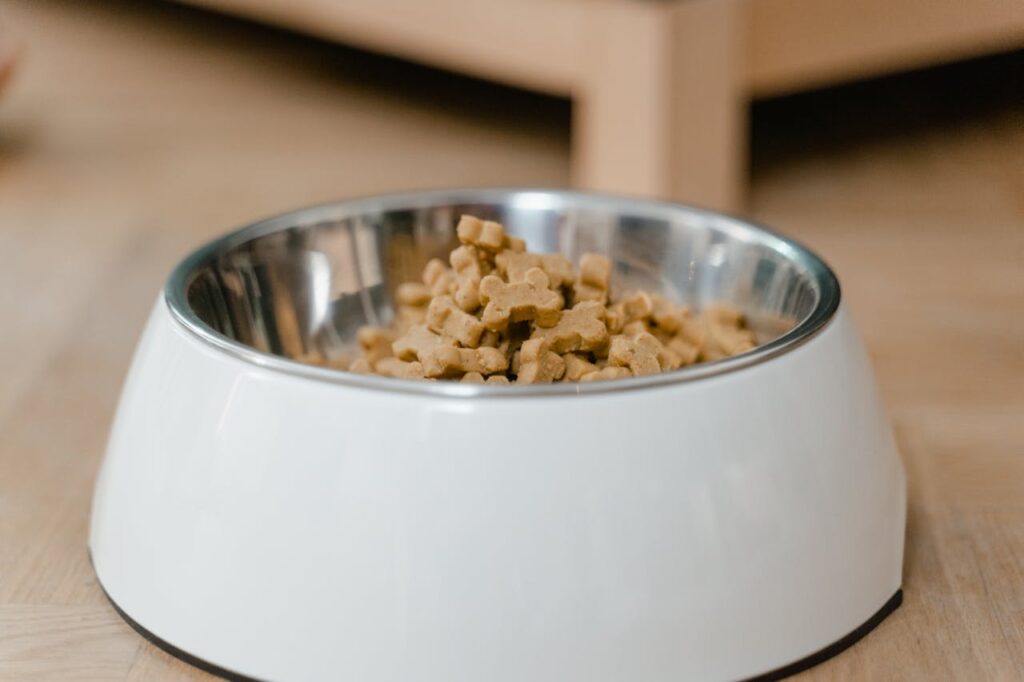

Watch stool quality, appetite, and energy levels closely during this time.
Signs the Food Is Working
A suitable food for sensitive stomachs often leads to:
- Firmer, more regular stools
- Reduced gas or bloating
- Improved appetite
- Shinier coat and healthier skin
- Better overall energy
Improvements may take a few weeks, so patience and consistency matter.
Final Thoughts
Feeding a dog with a sensitive stomach requires attention, observation, and a willingness to adjust. While no single formula works for every dog, understanding which food types and ingredients support digestion can significantly narrow your options.
By focusing on simplicity, digestibility, and routine and by paying attention to everything your dog consumes, including treats, you can create a feeding approach that supports comfort, balance, and long-term digestive health.